Top 10 Benefits of Farmhouse Modular Homes for Your Ideal Living Space
The modern housing market is increasingly embracing innovative construction methods, and Farmhouse Modular Homes are at the forefront of this transformation. According to a report from the Modular Home Builders Association, the modular home segment is experiencing significant growth, with the industry projected to reach a value of $41 billion by 2025. This surge can be attributed to the appeal of efficiency, sustainability, and customizability offered by modular homes, particularly in the popular farmhouse style that resonates with buyers seeking a blend of traditional charm and contemporary convenience.
Farmhouse Modular Homes not only offer aesthetic appeal but also demonstrate practical benefits in energy efficiency and environmental sustainability. The National Association of Home Builders notes that modular homes can reduce construction waste by up to 30%, making them a more eco-friendly option compared to traditional builds. Additionally, these homes are often equipped with energy-efficient systems that can lead to lower utility bills for homeowners, further enhancing their desirability. As potential homeowners seek ideal living spaces that align with both their lifestyle and environmental values, understanding the advantages of Farmhouse Modular Homes becomes essential in making informed decisions about their future homes.
Benefits of Farmhouse Modular Homes: An Overview
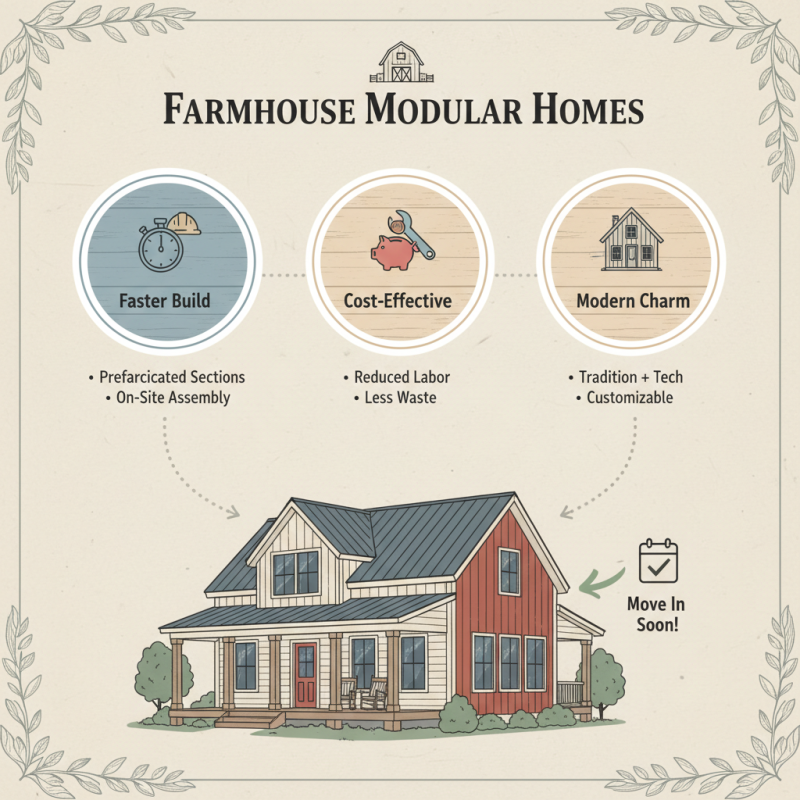
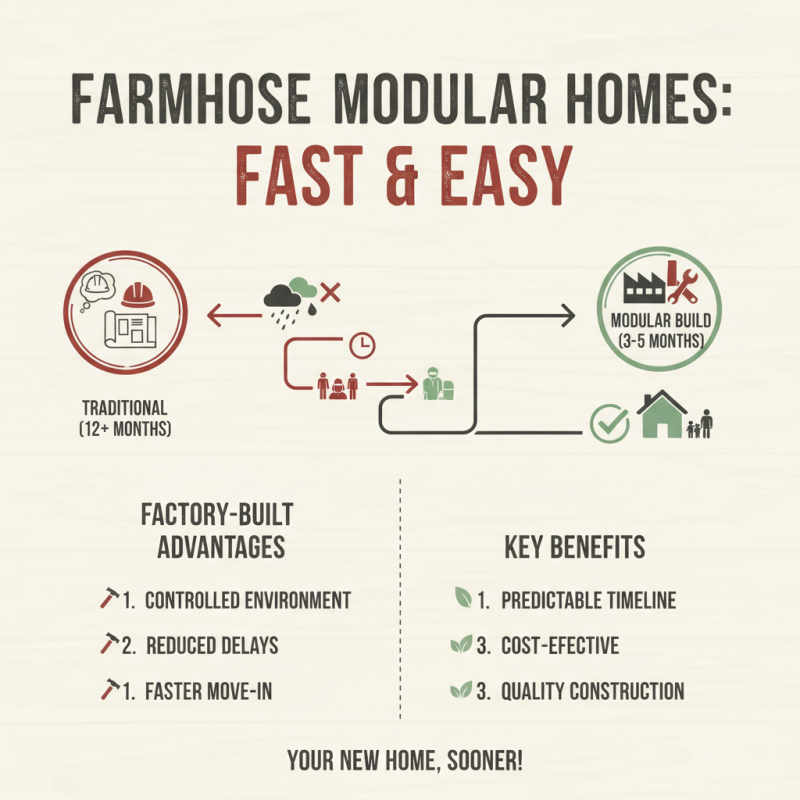
Farmhouse modular homes have gained significant popularity due to their unique blend of traditional aesthetics and modern convenience. One of the primary benefits of these homes is their efficient construction process. Unlike traditional builds, which can take months or even years to complete, modular homes are prefabricated in sections and assembled on-site, significantly reducing construction time. This efficiency not only speeds up the timeline for homeowners but also minimizes labor costs, making it a financially appealing option.
Additionally, farmhouse modular homes are designed with energy efficiency in mind. Many models incorporate sustainable materials and advanced technologies that contribute to lower energy consumption. Features such as high-quality insulation, energy-efficient windows, and sustainable building practices help reduce utility bills and the overall carbon footprint. This focus on sustainability not only benefits the environment but also enhances the comfort and livability of the home, creating a welcoming and practical living space for families. With their customizable designs and modern amenities, these homes offer a perfect blend of style and functionality, catering to the needs of contemporary homeowners.
Cost Efficiency and Affordability of Modular Living Spaces
Farmhouse modular homes offer a unique blend of aesthetic appeal and cost efficiency, making them an attractive option for many homebuyers. One of the most significant advantages of modular living spaces is their affordability. According to a report by the National Association of Home Builders, building a modular home can save homeowners up to 10-20% compared to traditional construction methods. This cost advantage stems from streamlined manufacturing processes and reduced labor costs, as homes are built offsite in controlled environments, leading to fewer delays and less waste.
Moreover, modular homes can lead to long-term savings on energy costs. The U.S. Department of Energy reports that new modular homes are often built with energy-efficient materials and systems that meet or exceed current energy codes. This means homeowners can enjoy lower utility bills while contributing to a more sustainable environment. Such energy efficiencies can significantly offset initial investments over time, providing added financial relief.
Tips for those considering a farmhouse modular home include evaluating local zoning laws before purchasing, as these can impact construction timelines and costs. Additionally, consider engaging with a modular home consultant early in the process to identify the best options for maximizing both space and energy efficiency, ensuring that you make the most of your ideal living space while keeping expenses in check.
Customizable Designs and Aesthetic Appeal in Farmhouse Homes
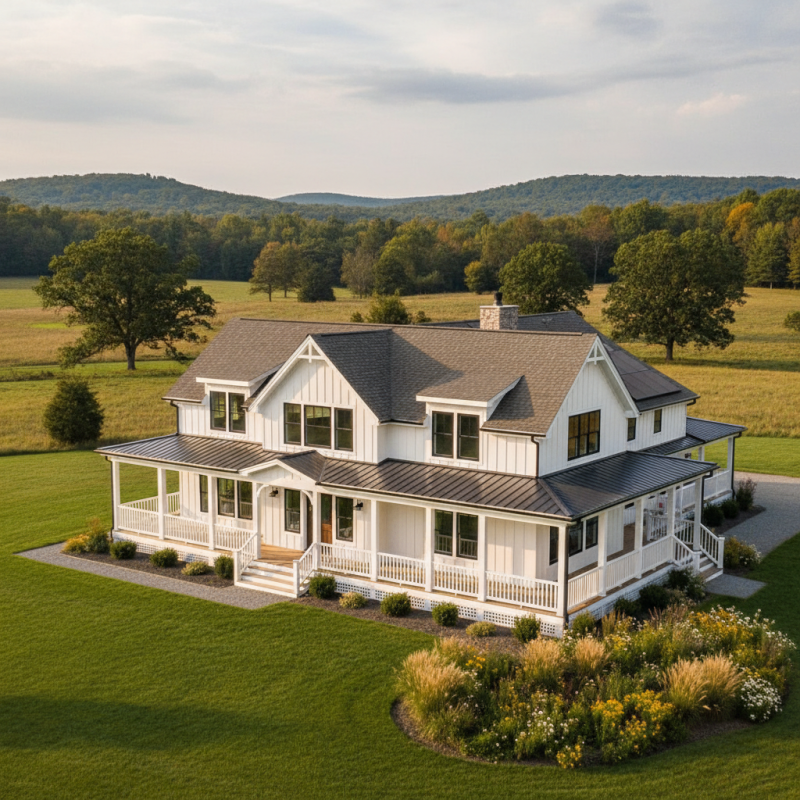
Farmhouse modular homes stand out for their customizable designs and aesthetic appeal, making them an increasingly popular choice among homeowners seeking personalized living spaces. According to the Modular Building Institute, the modular construction market is projected to grow significantly, with a compound annual growth rate of 6.5% through 2026, largely driven by the demand for versatile home solutions. Customization options allow homeowners to tailor their living environment to reflect personal tastes while maintaining the charm and warmth of traditional farmhouse aesthetics. Features such as open floor plans, large porches, and modern finishes can all be integrated within a modular framework, ensuring that each home complements its surroundings and fulfills the homeowner's vision.
When considering a farmhouse modular home, prioritize features that enhance your lifestyle. For example, open kitchens and spacious living areas can foster family connections and social gatherings, while energy-efficient windows and appliances contribute to a sustainable living environment. Additionally, utilizing natural materials and earthy color palettes enhances the farmhouse aesthetic while promoting a serene atmosphere.
**Tips:** Incorporate your unique style by experimenting with different textures and materials, such as reclaimed wood or rustic finishes. Additionally, explore eco-friendly options to not only elevate your home's design but also reduce your environmental impact. Engaging with a modular home specialist can guide you through the endless possibilities available within farmhouse modular designs, ensuring your home is as functional as it is visually appealing.
Sustainability and Environmental Impact of Modular Construction
The sustainability and environmental impact of modular construction have garnered increasing attention as more homeowners prioritize eco-friendliness in their living spaces. Modular homes, constructed in controlled factory settings, significantly reduce waste—a crucial factor considering that traditional construction sites produce approximately 8,000 pounds of waste per home built. According to a report by the Modular Building Institute, modular construction can decrease waste by up to 90%, as leftover materials are often reused or recycled in the manufacturing process, leading to a smaller ecological footprint.
Additionally, modular homes are designed to be energy-efficient, often incorporating advanced technologies, improved insulation, and high-performance windows. A study published by the U.S. Department of Energy indicated that modular homes can achieve energy savings of up to 30% compared to conventionally built homes. This efficiency is not only beneficial for the environment but also translates into lower utility bills for homeowners, further advocating for the benefits of choosing modular construction. As society moves towards making sustainable living a priority, the environmental advantages of farmhouse modular homes present a compelling case for potential homebuyers looking to minimize their impact while maximizing comfort.
Top 10 Benefits of Farmhouse Modular Homes
Convenience and Speed of Building Farmhouse Modular Homes
The convenience and speed of building farmhouse modular homes have made them a popular choice for many homebuyers today. Unlike traditional homes, which often involve lengthy construction processes and unpredictable timelines due to weather and labor availability, modular homes are constructed in controlled factory settings. This streamlining of the building process not only reduces the overall construction time significantly but also minimizes the chances of delays. Homeowners can often move into their new space within a few months from the initial design, which is a considerable advantage in today’s fast-paced world.
Additionally, the modular construction method allows for a high degree of customization without the extended time commitment typically associated with home building. Builders can pre-fabricate sections of the home to specific designs and specifications, thus ensuring quality while adhering to the timeline. This means that homeowners can have their dream farmhouse tailored to their tastes, complete with all the modern amenities, while still benefiting from quick assembly and fewer complications during the building process. The efficiency of this method allows for a smoother transition into a new living space, aligning with the ideals of comfort and convenience in contemporary home design.