China Best Prebuilt Home Options for Global Buyers?
As the demand for affordable housing rises globally, "Prebuilt Homes" are becoming a popular solution. In 2022, the global modular construction market was valued at $101 billion and is projected to expand significantly. Prebuilt homes offer efficiency, cost-effectiveness, and eco-friendliness. However, many buyers face challenges in navigating the market.
China leads in the production of prebuilt homes, boasting advanced technology and materials. Various reports indicate that Chinese prebuilt homes can reduce construction time by 50% compared to traditional methods. This acceleration in building means quicker availability for potential homeowners. Yet, it raises questions about quality control and design flexibility.
While the advantages are clear, potential buyers must weigh these factors carefully. Issues like local regulations and cultural differences impact the adoption of prebuilt homes. Additionally, the environmental sustainability of materials used in these homes is a topic of ongoing discussion. As the market evolves, informed decisions are essential for making the most out of available prebuilt home options.

Overview of Prebuilt Homes in China for International Buyers
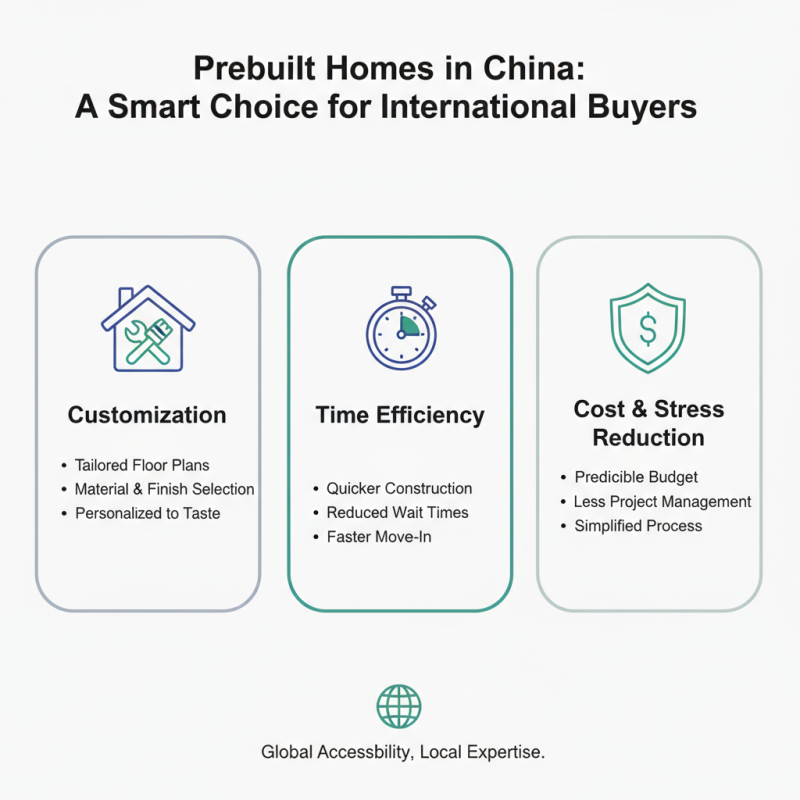
Prebuilt homes in China offer unique advantages for international buyers. They are customizable and can be tailored to specific preferences. Buyers can choose floor plans, materials, and finishes to suit their needs. The construction process is typically quicker than traditional builds. This saves significant time and reduces stress.
However, navigating the Chinese real estate market can be complex. Language barriers may pose challenges during the buying process. It's essential for buyers to work with local professionals who understand regulations. Some regions may have specific rules about property ownership for foreigners. Familiarizing oneself with these regulations can prevent potential complications.
Quality varies among manufacturers, so thorough research is crucial. Reading reviews and visiting completed projects can help ensure reliability. Buyers need to pay attention to construction standards and materials. Not every builder maintains high-quality craftsmanship. Regular inspections during the building phase can reveal potential issues early. These steps help secure a satisfying investment.
Top Manufacturers of Prebuilt Homes in China: A Buyer’s Guide
When considering prebuilt homes in China, various manufacturers stand out. They provide innovative solutions for global buyers. Prefabricated construction reduces build time significantly. This offers an attractive option for those in need of quick housing solutions.
Many manufacturers focus on sustainability. They use eco-friendly materials and energy-efficient designs. This approach can appeal to environmentally conscious buyers. However, not all manufacturers meet these standards consistently. Researching each company’s practices is crucial before making a decision.
Buyers should also examine customization options. Some manufacturers offer personalized layouts and designs. This flexibility allows buyers to create spaces that reflect personal styles. Yet, the quality of materials can vary widely. It’s important to review potential building sites and assess durability. Understanding the range of options available is key to making informed choices.
Types of Prebuilt Homes Available for Global Buyers in China
China offers a variety of prebuilt home options tailored for global buyers. These homes range from modular designs to eco-friendly structures. Modular homes are especially popular. They are built in sections in a factory. Later, they are assembled on-site. This process reduces waste and speeds up construction time, making them more appealing.
Another option is container homes. These homes utilize shipping containers as their base. They can be transformed into stylish living spaces. This type of housing is often economical. However, buyers should consider insulation and comfort in different climates. There are also energy-efficient homes. These use advanced materials to minimize energy consumption. They appeal to environmentally conscious buyers.
Despite these advantages, challenges remain. Regulations vary greatly depending on local laws. Buyers must navigate these requirements carefully. Not all builders may meet high quality standards. It’s essential to conduct thorough research. Reading reviews and seeking expert advice can help. Ultimately, finding the right prebuilt home in China is complex but rewarding.
China Best Prebuilt Home Options for Global Buyers
Key Considerations When Buying a Prebuilt Home from China
When considering prebuilt homes from China, several key factors come into play. One of the critical elements is understanding the construction standards. According to a report by the International Organization for Standardization, only about 45% of Chinese manufacturers meet international building codes. This statistic raises questions about quality assurance and safety. Buyers must conduct thorough inspections before committing.
Another vital consideration is transportation and logistics. Shipping costs can vary widely. An industry analysis shows that international shipping rates have increased by 30% in the last two years. This rise significantly impacts the overall budget for purchasing a prebuilt home. Understanding the timeline for delivery is also crucial, as delays are not uncommon. Even minor setbacks can lead to additional costs.
Lastly, cultural differences and language barriers pose challenges. Communication can be complex, impacting buyer expectations. In a market where less than 60% of transactions are conducted in English, misunderstandings can arise. Potential buyers should seek professional help to navigate these hurdles effectively. Investing time in research and expert advice will enhance the buying experience.
Logistics and Regulations for Exporting Prebuilt Homes from China
Exporting prebuilt homes from China involves navigating various logistics and regulations. The market for prebuilt homes has grown significantly, with estimates revealing a 15% annual growth rate in the prefabricated housing sector globally. Understanding the shipping process is crucial. Often, homes can be disassembled into sections, making transport more efficient.
Customs regulations are another critical aspect. Each country has specific rules regarding building materials and safety standards. For example, the U.S. requires compliance with the International Building Code, whereas Europe has its own stringent measures. Familiarity with these regulations is essential for reducing delays and ensuring compliance.
Logistical challenges may arise as well. Shipping costs can vary widely, influenced by factors such as distance and material weight. It's important to create a detailed logistics plan, which often highlights potential bottlenecks. Industry reports suggest that up to 30% of projects may face delays from unforeseen regulatory hurdles. These complexities underline the necessity of working with experts who can provide guidance throughout the process.
China Best Prebuilt Home Options for Global Buyers
| Home Type |
Size (sq ft) |
Material |
Estimated Price (USD) |
Shipping Options |
Export Regulations |
| Modular Cabin |
500 |
Wooden |
$25,000 |
Sea Freight |
Standard Compliance |
| Container Home |
320 |
Steel |
$15,000 |
Flat Rack |
Customs Clearances |
| Tiny House |
200 |
Wood and Metal |
$12,000 |
Shipping Container |
Local Zoning Laws |
| Prefab Villa |
1,000 |
Concrete |
$45,000 |
Air Freight |
Health and Safety Standards |
| Eco-Friendly Home |
750 |
Bamboo |
$30,000 |
Land Transport |
Sustainability Compliance |