Leave Your Message

2026 Best Tiny Container Homes for Sustainable Living Options?

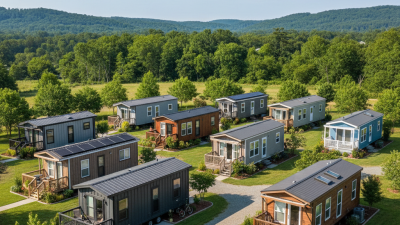
As the world shifts towards sustainable living, Tiny Container Homes are emerging as a popular choice. They offer unique advantages for those seeking eco-friendly housing. These compact homes are built from repurposed shipping containers, making them a green option. Many people appreciate their small footprint and low cost.

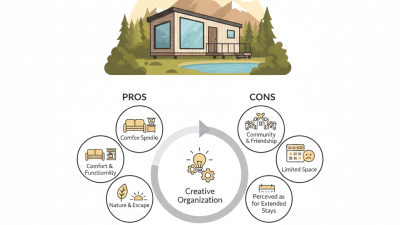
Living in a Tiny Container Home can be an adventure. It encourages minimalism and prioritizes what truly matters. However, downsizing can be challenging. Limited space requires thoughtful design and organization. Homeowners often face difficulties in fitting their belongings into a smaller area.

Despite the obstacles, Tiny Container Homes have captured the interest of eco-conscious individuals. They offer creative solutions and innovative designs. With the continued rise in housing costs, these compact homes present an appealing alternative. As the search for sustainable options intensifies, Tiny Container Homes could shape the future of living.
2026 Best Tiny Container Homes for Sustainable Living Options?

Best Tiny Container Homes: Overview of 2026 Sustainable Living Options

As people increasingly seek sustainable living options, tiny container homes are becoming a popular choice. By 2026, the market for these homes is expected to grow significantly, driven by the demand for eco-friendly living. A recent report indicated that around 30% of homebuyers are considering smaller, sustainable homes to reduce their environmental footprint.

Designing a tiny container home provides an opportunity to minimize waste. It emphasizes efficiency and smart space usage. Utilizing recycled materials can enhance sustainability. Some might still struggle with the limited space or the need for creative storage solutions. Adapting to fewer possessions can be a challenge for many.

**Tip:** Focus on multifunctional furniture to optimize limited space. This allows for efficient living without sacrificing comfort.

Emphasizing sustainability often means making tough choices. Homeowners may need to forgo traditional amenities. The idea of living simply can feel daunting. However, many find joy in the minimalist lifestyle, leading to a more intentional way of living. Integrating solar panels can further reduce energy costs, despite the initial investment.

**Tip:** Research local zoning laws to ensure your container home complies. This can save time and frustration during the building process.

2026 Best Tiny Container Homes for Sustainable Living Options

Model Size (sq ft) Eco-Friendly Features Price Range ($) Location Suitability
EcoPod 1 200 Solar Panels, Rainwater Harvesting 30,000 - 40,000 Urban/Suburban
Green Haven 300 Recycled Materials, High Insulation 40,000 - 50,000 Rural/Coastal
Sustainable Nest 250 Composting Toilet, Green Roof 25,000 - 35,000 Mountainous/Grassland
Nomad Living 180 Portable Design, Wind Turbine Option 20,000 - 30,000 Mobile
The EcoDream 350 Smart Tech Integration, Eco-Friendly Paint 45,000 - 55,000 Suburban/Urban

Benefits of Living in Tiny Container Homes for Environmentally Friendly Lifestyles

Living in tiny container homes can significantly benefit the environment. These structures often use recycled materials. They reduce waste and lower the demand for new resources. Simple yet functional, these homes require fewer materials to build. This can lead to a smaller carbon footprint during construction.

Energy efficiency is a major advantage. With less space to heat or cool, energy consumption drops. Many tiny container homes use solar panels. This reduces reliance on non-renewable energy sources. Water conservation is also easier to manage in smaller homes. Small tanks can capture rainwater, providing a sustainable water source.

However, there are challenges. Space limitations can feel restrictive. Minimalism requires constant evaluation of personal belongings. This can lead to tough decisions about what to keep. It's important to reflect on our connection to material items. Living simply promotes a clearer understanding of what we truly need and value. Embracing this lifestyle isn't easy, but it offers a rewarding, eco-friendly way of living.

Key Features of Container Homes: Efficiency, Mobility, and Affordability

Container homes offer unique advantages for sustainable living. Efficiency is one of their main features. These homes maximize space by using every inch wisely. With open floor plans, they often feel larger than they are. Natural light floods in through windows, creating a bright atmosphere.

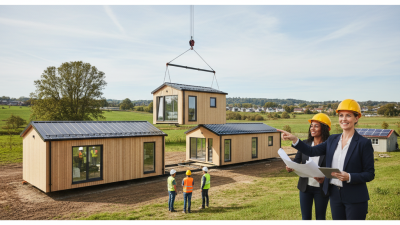
Mobility is another compelling aspect of container homes. They can be relocated easily, which appeals to those who prefer flexibility. Imagine finding a plot of land with a stunning view and moving your home there. This nomadic lifestyle is freeing, yet it comes with challenges. Finding a suitable location can take time and effort.

Consider this tip: think about your energy sources. Solar panels can be a great addition. They reduce reliance on traditional energy. Also, be mindful of insulation to keep your container home comfortable year-round. Not every container is perfect for living. Inspecting for rust and wear is crucial before moving in.

Comparative Analysis of Cost: Tiny Container Homes vs. Traditional Houses

2026 Best Tiny Container Homes for Sustainable Living Options?

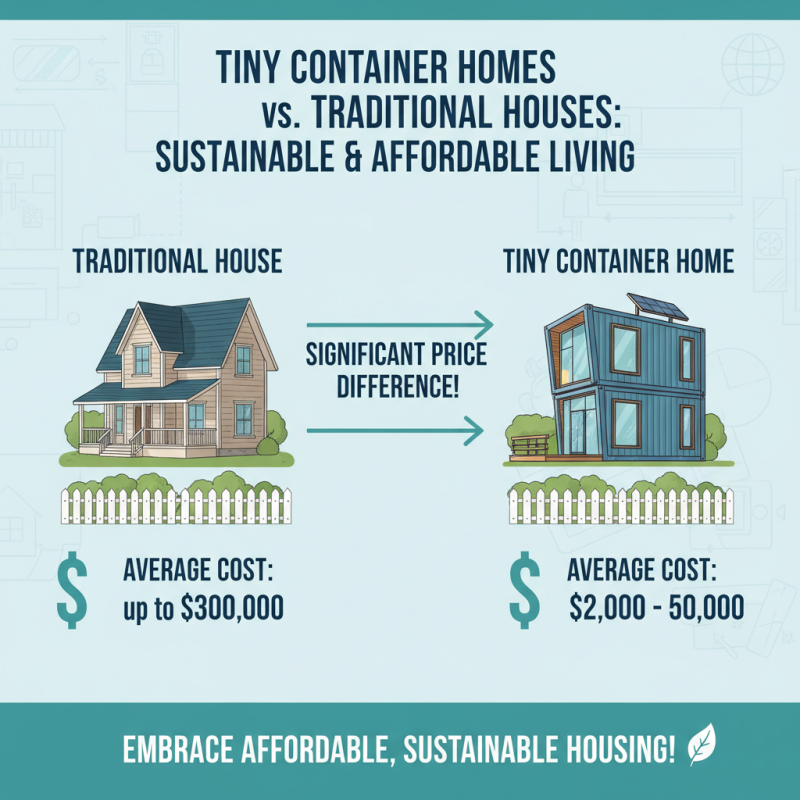
Tiny container homes present a unique solution for sustainable living, particularly in comparing costs with traditional houses. According to a report by the International Institute for Environment and Development, the average cost of a traditional house in urban areas can reach up to $300,000. In contrast, tiny container homes often range from $20,000 to $50,000, depending on size and customization. This significant price difference appeals to many seeking affordable housing options.

However, the initial savings may overshadow hidden costs. Container homes require modifications for insulation and plumbing, adding to overall expenses. A study from the National Association of Home Builders indicated that these upgrades can consume approximately 30% of the total budget. Moreover, zoning regulations can complicate approvals for container homes, which might lead to delays and fines. This complexity challenges the notion of container homes as an effortless solution.

Environmental benefits are also noteworthy. Container homes utilize repurposed materials, reducing waste. According to the U.S. Green Building Council, they can achieve energy savings of up to 50% compared to traditional homes. Yet, potential homeowners must weigh these benefits against the structural limitations. Shipping containers are not designed for permanent habitation, raising questions about durability and comfort in different climates. Balancing cost, benefits, and personal needs is crucial in this housing choice.

Sustainable Materials and Technologies in 2026 Container Home Design Trends

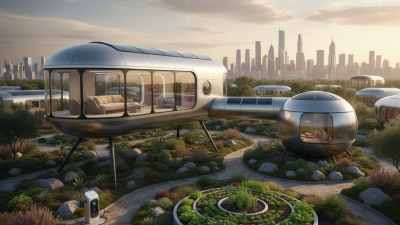
In 2026, tiny container homes are emerging as a popular choice for sustainable living. These homes increasingly utilize eco-friendly materials and innovative technologies. Reclaimed wood, bamboo, and low-VOC paints take center stage. Such materials reduce environmental impact while enhancing aesthetic appeal. The integration of solar panels on rooftops further supports energy independence.

Natural insulation methods, like straw bales and hemp, are also gaining traction. They offer excellent thermal performance while being sustainable. However, challenges remain. Sourcing these materials locally can sometimes be difficult. Not all areas have reliable access to eco-friendly options. Homeowners must navigate these hurdles creatively.

Water conservation technologies, such as rainwater harvesting, are key in this trend. Systems that filter and reuse water are becoming essential. Yet, the initial cost may deter some. The balance between sustainability and affordability is delicate. The journey towards an eco-conscious lifestyle is still evolving, with much to learn and improve.