How to Build Your Own Space Capsule House for Modern Living
In the ever-evolving landscape of modern architecture, the concept of a "Space Capsule House" is gaining momentum as an innovative solution for compact and efficient living. Renowned architect and sustainable design expert, Dr. Emily Rivers, emphasizes the potential of these unique dwellings by stating, "The Space Capsule House represents the intersection of functionality and creativity, allowing us to rethink our relationship with space and the environment." This forward-thinking approach not only addresses the growing demand for affordable housing but also promotes a minimalist lifestyle that resonates with today's eco-conscious individuals.
As urban populations swell and land availability shrinks, the Space Capsule House offers a novel answer to balancing comfort and space utilization. These modular units serve as a reminder that modern living doesn't have to come at the expense of our planet. In crafting your own Space Capsule House, you embark on a journey of innovation, sustainability, and self-expression, redefining the way we inhabit our surroundings while embracing the technological advancements of the 21st century. Through this guide, we will explore the essential steps to create your own capsule home and dive deeper into the myriad benefits it has to offer.
Designing the Concept for Your Space Capsule House
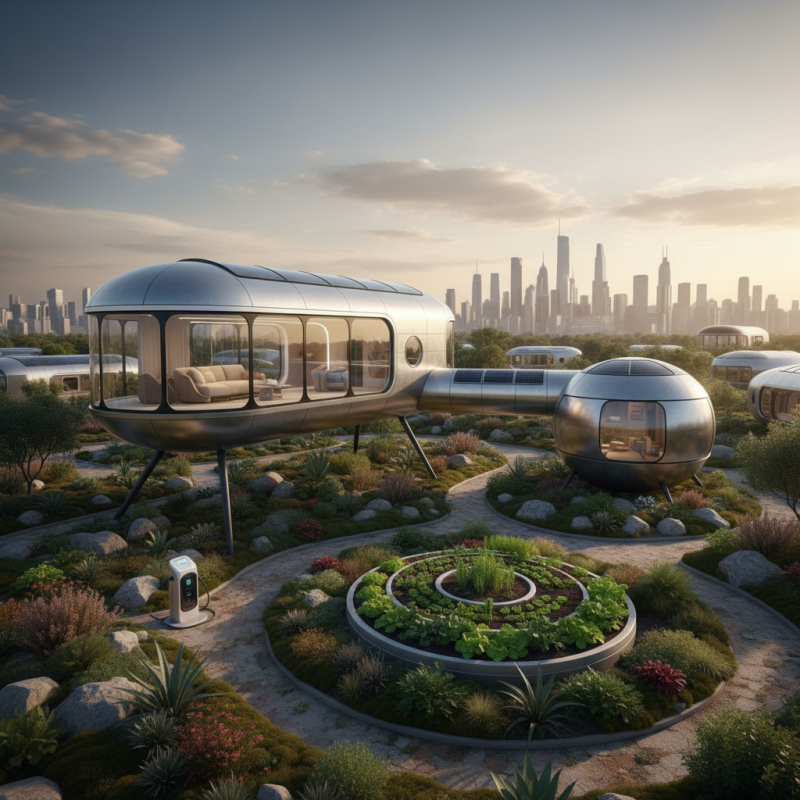
Designing a space capsule house begins with envisioning a structure that harmonizes modern aesthetics with functional living. The sleek, curved exterior not only provides an aerodynamic look but also allows for efficient use of space. Ideally, consider integrating large windows to enhance natural light, which is essential in small living areas. Utilizing eco-friendly materials and smart technology can further elevate the design, promoting sustainability in your daily life.
Tips for space optimization include incorporating multifunctional furniture that can serve several purposes, such as a sofa bed or a coffee table with storage. This approach minimizes clutter while maximizing usability. Additionally, think vertically—shelves, wall-mounted storage, and raised platforms can create extra space without overwhelming the floor plan.
When planning the interior, focus on a minimalistic approach to maintain the capsule's open feel. Use a neutral color palette paired with strategic pops of color through decor and artwork to create a lively yet cohesive environment. Consider the layout carefully, ensuring that every corner serves a purpose, from a cozy reading nook to an efficient workspace. Embracing these design principles will help create a truly unique and functional space capsule house tailored to modern living.
How to Build Your Own Space Capsule House for Modern Living
| Aspect |
Details |
| Design Concept |
Futuristic, aerodynamic structure with modular components |
| Materials |
Lightweight alloys, transparent polycarbonate, and sustainable composites |
| Size |
Approx. 200 sq ft for living area, expandable options available |
| Energy Efficiency |
Solar panels, rainwater collection, and insulation technology |
| Interior Features |
Open floor plan, multifunctional furniture, smart home technology |
| Cost Estimate |
Ranging from $30,000 to $100,000 depending on customization |
| Construction Time |
Approximately 6 to 12 months for a fully functional unit |
Choosing the Right Materials for Construction
When constructing your own space capsule house, the choice of materials is crucial to ensure durability, insulation, and aesthetic appeal. Begin with a strong, lightweight frame that can withstand various weather conditions. Materials like aluminum or high-grade steel serve well for the outer structure, offering longevity and resistance to rust. On the inside, consider eco-friendly options such as bamboo or recycled wood for floors and accents, creating a warm and inviting atmosphere while maintaining sustainability.
Tips: Opt for materials that provide excellent insulation properties to reduce energy consumption. Look into insulating foams or advanced composites for the walls and ceilings, ensuring your capsule stays cool in summer and warm in winter. Additionally, choosing non-toxic paints and finishes will enhance indoor air quality, making your living space healthier.
When it comes to windows and doors, double-glazed glass is an excellent choice, offering thermal insulation and soundproofing. Incorporate modular panels that can be easily replaced or upgraded in the future, allowing for flexibility in design. Remember to balance aesthetics with functionality; combining visual appeal with robust materials will lead to a successful and enjoyable living environment.
Planning the Interior Layout for Optimal Use of Space
When planning the interior layout of your space capsule house, maximizing the functionality of each area is crucial. Begin by measuring the available space meticulously, considering the capsule's unique circular or oval shape. This understanding allows you to utilize smart design techniques that enhance usability while maintaining an open feel. Incorporating multifunctional furniture, such as a foldable dining table that can also serve as a workspace, helps to minimize clutter and optimizes limited square footage.
Next, focus on zoning different areas of the capsule. For instance, designate specific sections for sleeping, cooking, and relaxing, using partitions or clever design elements that do not obstruct light or airflow. Vertical storage solutions can also play a significant role in keeping the space organized. Overhead shelving and hanging racks can help keep essential items accessible without sacrificing floor space. Thoughtful placement of windows and mirrors can visually enlarge the area and brighten the interior, creating an inviting environment that makes the most of your capsule's design.
Space Capsule House - Interior Layout Space Utilization
Incorporating Sustainable Technologies for Modern Living
In the quest for modern living, building a space capsule house can be an innovative way to incorporate sustainable technologies into our lifestyles. Recent studies show that the construction industry contributes approximately 39% of global carbon emissions, which highlights the urgent need for sustainable building practices.
By utilizing eco-friendly materials such as recycled steel, sustainable wood, and insulating structures, homeowners can significantly reduce their environmental impact. The use of solar panels and green roofs can also effectively decrease energy consumption, allowing for better resource management in both urban and rural settings.
Tips for integrating sustainable technologies include prioritizing energy-efficient appliances, which can reduce energy usage by 20-50%. Additionally, incorporating rainwater harvesting systems not only promotes water conservation but also minimizes stormwater runoff, a significant challenge in urban planning. Optimizing natural light through strategic window placement can further enhance energy savings, as it lessens the reliance on artificial lighting.
Emphasizing passive design elements—such as thermal mass and proper ventilation—can streamline energy consumption and enhance the comfort of living spaces. According to the International Energy Agency, adopting renewable energy sources in residential buildings can cut greenhouse gas emissions by up to 70%. Therefore, creating a space capsule house with these considerations not only promotes sustainable living but also contributes to a healthier planet.
Tips for Landscaping and Aesthetic Enhancements Around Your Capsule
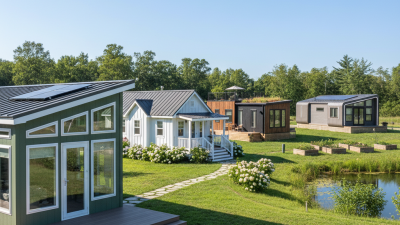
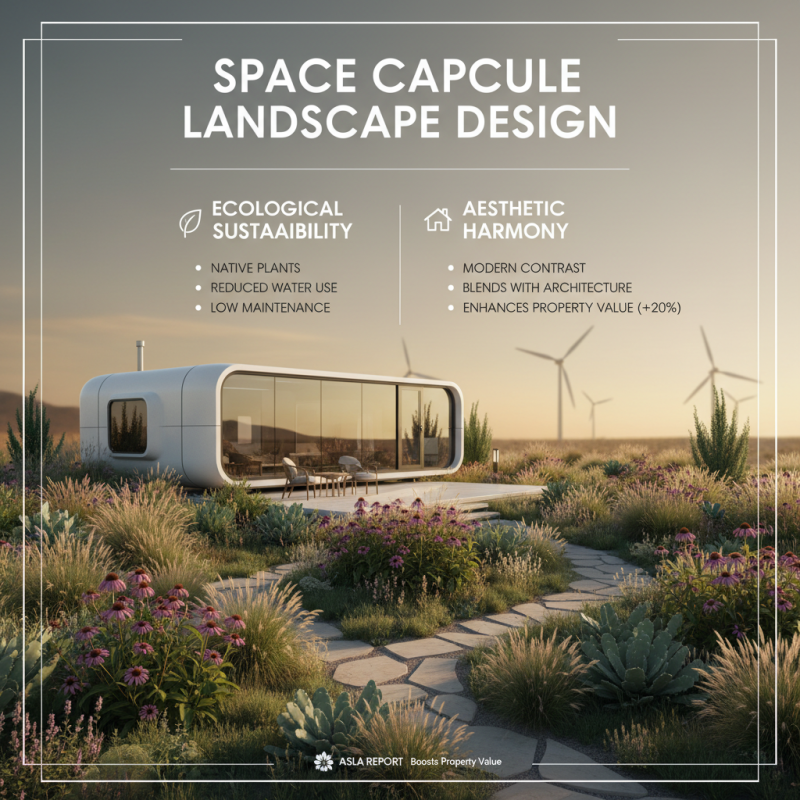
When designing a landscape around your space capsule house, aesthetic harmony and ecological sustainability should be your guiding principles. According to a report by the American Society of Landscape Architects, well-planned outdoor spaces can enhance property value by up to 20%. To achieve this, incorporate native plants that thrive in your climate, reducing water consumption and maintenance needs. These plants are not only environmentally friendly but also blend seamlessly with the innovative architecture of a capsule home, creating a striking visual contrast against its modern lines.
In addition to native flora, consider integrating decorative pathways made of natural materials, which can lead seamlessly to your front entrance or relax areas. Utilize elements such as solar-powered lighting to highlight these paths, enhancing the ambiance during the evenings while remaining energy-efficient—data from the U.S. Department of Energy indicate that implementing solar outdoor fixtures can save up to 75% on energy costs compared to traditional lighting. Moreover, incorporating water features such as small ponds or fountains can attract local wildlife, creating a serene, biodiverse environment that complements the unique design of your capsule home.