Choosing the right mobile toilet for your needs can feel overwhelming. With various options available, understanding your requirements is crucial. A mobile toilet offers convenience and comfort, especially in outdoor settings or during events. Consider how many users will need access. Assess the space available for positioning the unit as well.
Quality matters when selecting a mobile toilet. Look for reputable brands with a history of reliability. Customer reviews can provide insights into functionality and ease of use. However, not all units fit every situation. Some may lack features you need, so reflect on what works best for you.
Budgetary concerns are also important. Invest in a toilet that meets your requirements without breaking the bank. You might find cheaper options, but they often compromise quality. Ultimately, your choice should embody the balance between functionality and cost-effectiveness. Ensure the mobile toilet you choose enhances your experience.
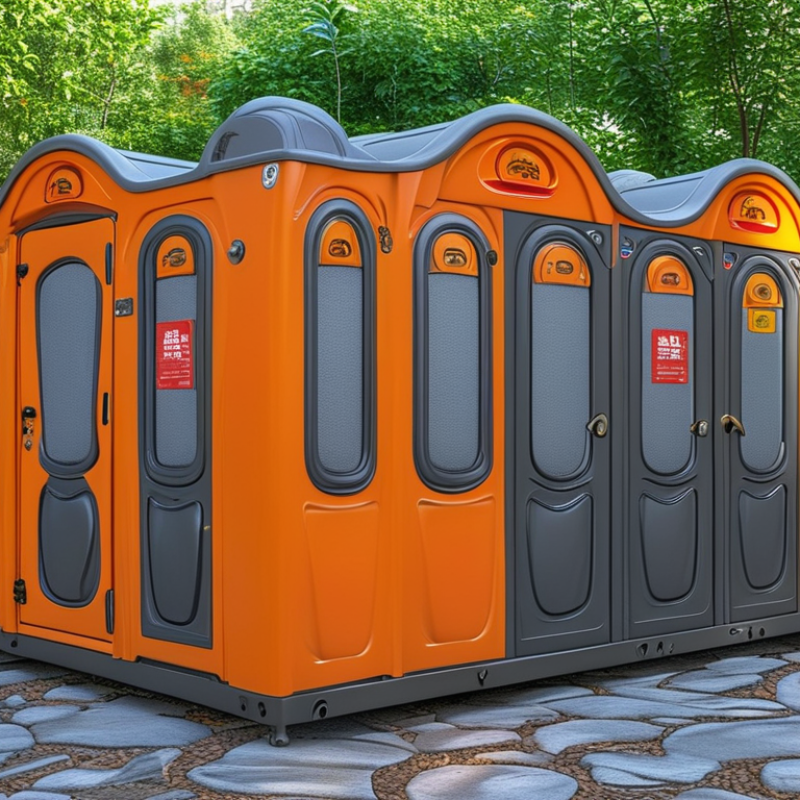
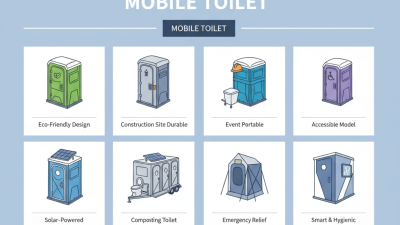
When selecting a mobile toilet, understanding the types available is crucial. There are primarily two categories: portable and flushing toilets. Portable toilets are lightweight and often used for outdoor events. They rely on chemicals to manage waste. Flushing toilets, on the other hand, resemble traditional bathrooms and are connected to a water source. They offer a more comfortable experience.
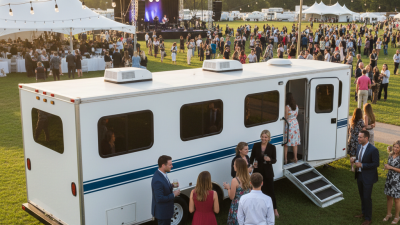
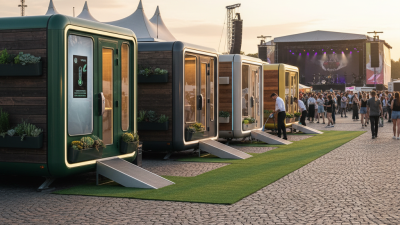
Another important factor is the size and capacity of the mobile toilet. Smaller units are suitable for personal use. Larger models accommodate more users and are ideal for events. However, larger toilets may require more maintenance and setup time. Additionally, consider the various features each type offers. Some come with handwashing stations, while others include solar panels for sustainability. These added features enhance convenience but may affect portability.
It's also essential to think about hygiene and ease of cleaning. Some mobile toilets provide self-cleaning options, which can simplify upkeep. However, these may come at a higher price. Users must weigh the benefits against their needs. An informed choice depends on assessing one's specific circumstances and environment. Balance practicality and comfort, and you may find a model that meets your expectations.
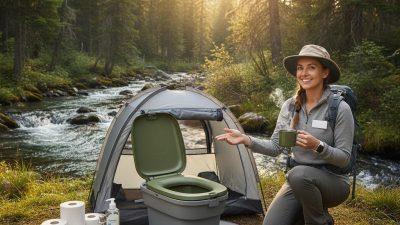
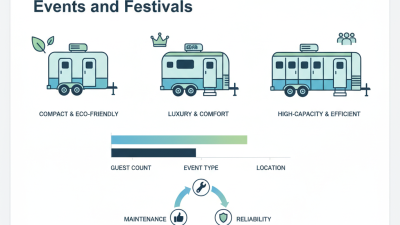
When choosing a mobile toilet, several key factors come into play. Size is crucial. A compact model might fit well in tight spaces, but larger models often provide more comfort. Think about the number of users. For a small gathering, a single unit might suffice. However, for events with more guests, multiple units could prevent long wait times.
Another important factor is sanitation. Look for models with proper waste management systems. A dual-tank design often makes cleaning easier. Consider features like hand sanitizers or foot-operated flush systems. Accessibility is also vital. Ensure the unit complies with regulations, especially if it will serve individuals with disabilities.
Don’t overlook maintenance. Some units require less upkeep than others. Read user reviews to gauge reliability. Remember, price does not always equate to quality. A cheaper model may save money but could lead to disappointment. Existing users can provide insights you might not consider initially. Reflect on your specific needs before making a choice.
When assessing your space and usage requirements for mobile toilets, consider the size of your location. Small areas can benefit from compact units. A portable toilet should fit comfortably without obstructing pathways. If space allows, consider units with additional features, such as sinks. These add convenience but may require more room.
Think about the frequency of use. For events with high traffic, choose more units for quick access. If it's for long-term use, invest in models with better sanitation features. Evaluate the terrain, too. If it is uneven, ensure the toilet can be securely placed. Mobility options, like wheels or handles, can also be crucial for easy transportation.
Finally, reflect on the materials of the mobile toilet. Durable materials ensure longevity but may impact weight. A lightweight model could be easier to move but may wear out quickly. Balancing durability and ease of transport is essential. Assessing these factors ensures the best choice for your needs.
Choosing a mobile toilet can be challenging. Focus on
comfort, portability, and maintenance needs. Begin with comfort. Look for a model
with ample space and a comfortable seat. A well-designed interior can make a significant
difference, especially for longer use. Some toilets might lack the necessary support,
leading to discomfort. Consider how the design affects user experience. This is important
for extended outdoor activities.
Portability is another crucial aspect. A lightweight model is easier to transport. Check
the dimensions and weight. Some toilets fold for easy storage. However, a compact design
might compromise stability. Ensure the balance between size and sturdiness. Using a
portable toilet can feel less intrusive when it is easy to move.
Maintenance should not be overlooked. Some designs require frequent cleaning. Others come
with features that simplify waste disposal. Make sure the model you choose minimizes hassle.
Regular maintenance ensures hygiene and prolongs the
toilet's lifespan. Reflect on your specific location and usage frequency. A better understanding
of these needs leads to a more satisfactory choice.
When considering a mobile toilet, budgeting plays a critical role.
The cost of a quality unit varies greatly. On average, you can expect to pay between
$500 and $2,500, depending on features and materials.
According to the Portable Sanitation Association International (PSAI), many factors affect these prices, such as size, type
(chemical vs. restroom trailer), and amenities like sinks and mirrors. It's important to strike a balance between
cost and quality.
Tips: Always check for services included,
like maintenance and cleaning. Review warranty options too. These can add value beyond the initial cost.
Low-cost options may lack durability. This often leads to replacement costs. Some budget models will not withstand
heavy usage. Investing in a more robust unit generally pays off. Reports suggest that higher-quality models last longer
in commercial settings, highlighting the significance of durability and user experience.
Tips:
Consider your usage frequency. A unit for occasional use may not need to be top-tier. However, for events with high
foot traffic, a quality model is essential. Evaluate both short-term and long-term costs before deciding.