Why Choose Canadian Prefab Homes for Your Next Dream Home?
When it comes to building your dream home, Canadian Prefab Homes stand out in the market. The efficiency and sustainability of prefab construction are appealing to many. According to a report by the Canadian Home Builders' Association, prefab homes can reduce construction time by up to 50%. This efficiency not only saves time but also cuts costs significantly.
Expert designer Emma Thompson emphasizes, "Canadian Prefab Homes offer a balance of modern design and energy efficiency." Consumers are increasingly mindful of their carbon footprint. Modular homes provide an eco-friendly alternative that meets contemporary needs.
However, it is important to consider the limitations of prefab homes. Some buyers may find options less customizable than traditional builds. Acknowledging both the benefits and potential downsides is crucial for informed decisions. Choosing Canadian Prefab Homes means embracing innovation while being aware of what this choice entails.
Benefits of Canadian Prefab Homes for Modern Living
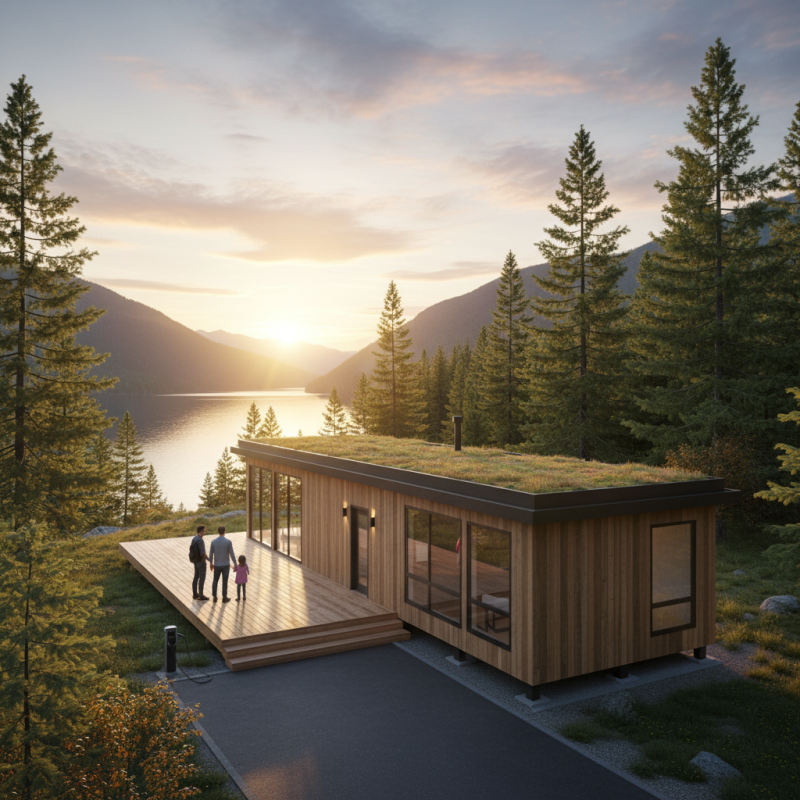
Canadian prefab homes offer numerous benefits for modern living. They are often built off-site, which reduces construction time. Homebuyers can see their designs come to life faster. Prefab homes are also customizable, allowing for personal touches. This means you can have your dream home without long delays.
Energy efficiency is another advantage. Many Canadian prefab homes incorporate green technology. Insulation and energy-efficient windows help reduce heating costs. Outdoor spaces can be designed to blend with nature. However, this often means less room for traditional landscaping. Some homeowners find this challenging.
Prefab homes also promote sustainability. They typically produce less waste during construction. Materials can be sourced locally, reducing transportation emissions. Yet, sourcing quality materials can be difficult at times. This can impact both environmental benefits and home durability. Homeowners may need to be vigilant in their choices.
Sustainability and Environmental Impact of Prefab Construction
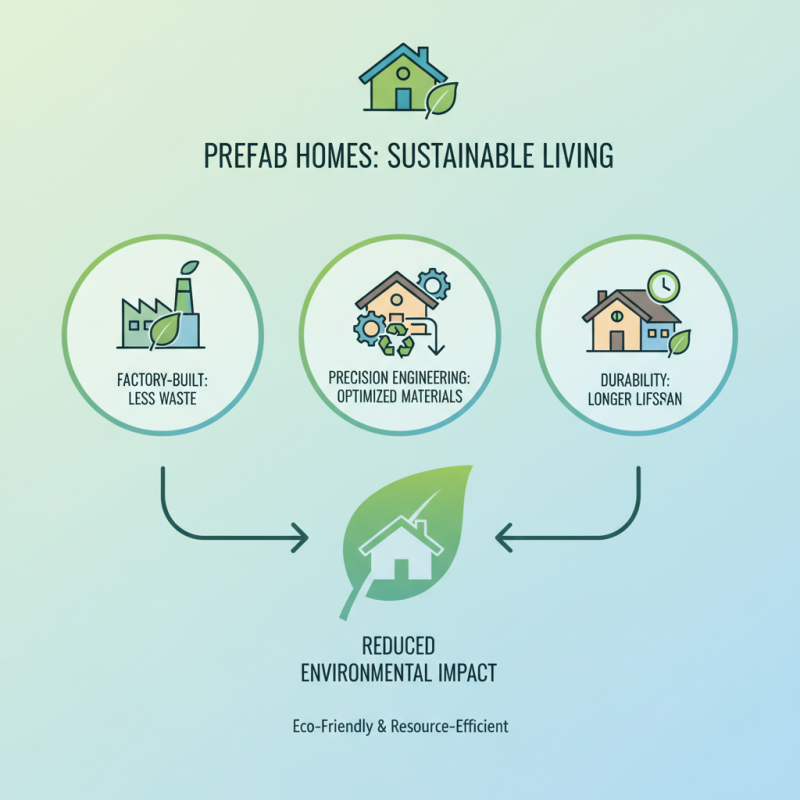
Prefab homes have gained popularity for their sustainability. These homes are typically built in factories, which reduces waste significantly. Traditional construction can leave behind a lot of debris, while prefabrication minimizes this issue. Every piece has a purpose, ensuring fewer materials are wasted. By using high-quality materials, prefab homes often last longer. This longevity helps reduce the need for future resources and repairs.
Energy efficiency is another important aspect. Many prefab homes are designed with energy-saving features. These features can include enhanced insulation and energy-efficient windows. Such designs help reduce heating and cooling costs. However, it's essential to ensure that the energy systems are correctly installed and maintained. Without proper management, even the best designs can fall short.
Water usage during construction is also less with prefab homes. Because much of the work happens in a controlled environment, water is used more effectively. Yet, there is still room for improvement in how water resources are managed throughout the process. Buyers should consider how the home aligns with their values on sustainability. Conversations about eco-friendly living can be complex, but they are crucial for informed decisions. Embracing prefab homes can be a step towards more responsible living, yet it challenges us to think critically about our choices.
Cost-Effectiveness: Comparing Prefab and Traditional Home Building
Prefab homes are gaining traction for their cost-effectiveness. According to recent reports, building a traditional home can take six months to a year. In contrast, prefab construction reduces this time significantly, often completing projects in a matter of weeks.
The average cost per square foot for a traditional home can exceed $150. However, prefab homes can be built for around $100 per square foot. This is a substantial saving. Such homes not only lower initial costs but also reduce labor expenses. Less time on the site means less overall expenditure, which is a crucial factor for many.
However, the cost savings may come with compromises. Some people have reported limitations in custom design options. It’s essential to evaluate your specific needs and desires before making a decision. Not all prefab homes are created equal, and some may not meet personal expectations of quality. Buyers should consider long-term value beyond the initial savings.
Design Flexibility: Customization Options in Canadian Prefab Homes
Customization is a key advantage of Canadian prefab homes.
Homebuyers can choose layouts, finishes, and features that match their desires. According to a recent report by the
Modular Building Institute, nearly 90% of homeowners appreciated
the design flexibility offered by prefab options. This allows for a personal touch in every corner of the home.
A key aspect of customization is energy efficiency. Homebuyers can select
energy-efficient appliances and insulation types. This not only reduces utility bills but also contributes to
sustainable living. A study found that custom prefab homes can reduce energy costs by up to
30%. However, the initial cost can sometimes deter
buyers from pursuing these upgrades.
Lastly, the speed of construction is appealing but not without challenges. While a home can be built in a
fraction of the time compared to traditional methods, delays in customization choices
can arise. Some buyers may face unexpected hurdles when finalizing their options, which can extend timelines.
Yet, the allure of creating a dream home remains strong in the Canadian prefab market.
Quality and Durability: Building Standards in the Canadian Prefab Industry
The Canadian prefab industry has increasingly set high standards for quality and durability. According to the Canadian Housing and Mortgage Corporation, homes built in controlled factory settings can reduce construction waste by up to 40%. This precision and efficiency translate into better thermal insulation and overall strength.
Additionally, prefab homes often comply with rigorous building codes. In Canada, National Building Code regulations dictate safety and sustainability measures. Homes go through quality assurance checks, ensuring structural integrity. Reports show that 85% of prefab homes outperform traditional builds in energy efficiency. This is a crucial factor, especially as homeowners prioritize long-term sustainability.
However, not all prefab designs meet these high standards. Some manufacturers may cut corners to reduce costs. It's vital for buyers to research and evaluate each builder thoroughly. Look for companies with positive reviews and solid performance records. Quality should never be sacrificed for the sake of a lower price tag. With careful consideration, a Canadian prefab home can be both a smart investment and a lasting sanctuary.
Understanding Quality and Durability in Canadian Prefab Homes
This chart illustrates key quality and durability features of Canadian prefab homes, rated on a scale from 1 to 10. These metrics highlight the strengths of prefab homes in terms of energy efficiency, sustainability, construction speed, cost-effectiveness, and customization options.