Why Choose Large Container Homes for Sustainable Living?
Large Container Homes are gaining popularity in the realm of sustainable living. These innovative dwellings offer a fresh perspective on modern housing. People increasingly see them as viable options for eco-friendly lifestyles.
The construction of Large Container Homes is rooted in recycling and reducing waste. This strategy aligns with today's push for sustainability. However, they do come with challenges. Finding skilled labor for proper installation can be difficult. Not all regions have embraced this trend yet, leading to regulatory hurdles.
Despite these obstacles, the benefits are hard to overlook. Large Container Homes often include energy-efficient designs. They are customizable and can fit various landscapes. Many owners appreciate their unique charm and modern aesthetics. As we explore this trend, we should also consider its long-term implications on communities and the environment.
Benefits of Large Container Homes in Sustainable Living Practices
Large container homes have emerged as a popular choice for sustainable living. They provide numerous benefits that align well with eco-friendly practices. One significant advantage is their minimal environmental impact. These homes are often made from recycled shipping containers, reducing waste and resource consumption. This approach not only lessens the carbon footprint but also promotes a circular economy.
Many people appreciate the flexibility of container homes. They can be easily customized to suit individual needs. However, one must acknowledge the challenges in insulation and ventilation. Effective planning is crucial to ensure comfort throughout the year. Additionally, understanding local zoning laws can be a hurdle for many aspiring homeowners.
**Tips:**
Consider using solar panels to maximize energy efficiency. Look for local materials during the construction phase to reduce transportation emissions. Proper research can help avoid common pitfalls in design and installation. By addressing these factors, you can create a more sustainable living space that truly reflects your values.
Environmental Impact Reduction Through Container Home Construction
Container homes present a remarkable solution for sustainable living, focusing on reducing environmental impact. These homes utilize repurposed shipping containers, minimizing the use of new materials. They offer a unique way to combat waste. This approach helps avoid the depletion of natural resources.
Building with containers reduces construction waste significantly. Traditional homes generate tons of debris, while container homes repurpose existing materials. This strategy not only conserves resources but also lowers energy consumption. Energy-efficient designs and insulation options can enhance their performance.
However, challenges exist. Not all locations are suitable for container homes. Zoning regulations and permit issues may arise. Additionally, some people find the aesthetic unconventional. There is a need for creativity in design to address these perceptions. Exploring innovative solutions can enhance both functionality and appeal. Overall, container homes offer a promising path for those committed to sustainable living, despite the hurdles.
Cost Efficiency and Affordability of Large Container Homes
Large container homes are rapidly becoming a viable option for sustainable living. The cost efficiency of these structures appeals to many. According to the Container Home Network, the average price for building a container home is about $110 per square foot. This is significantly lower than traditional homes, which can exceed $200 per square foot in many regions. For families on a budget, these numbers make a compelling case for reconsidering housing options.
Beyond the initial cost savings, large container homes also offer financial flexibility. Many builders estimate the total cost for a large container home, including land and utilities, can range between $50,000 and $150,000. These figures can vary based on customization and location. The potential for energy savings further enhances affordability. Container homes can be easily equipped with solar panels, cutting energy bills by 50% or more. However, local zoning laws can present hurdles, forcing prospective buyers to navigate complex permitting processes.
Despite the appealing numbers, challenges exist. Insulation can be a concern in extreme climates. Additionally, the resale market for container homes is still developing. Some experts warn that potential buyers may face issues when trying to sell these unique homes later on. It’s crucial for individuals to weigh these factors against the benefits when considering a large container home.
Energy Efficiency and Resource Optimization in Container Homes
Large container homes present a unique opportunity for sustainable living. Their construction promotes energy efficiency and resource optimization. One significant advantage is the insulation properties of metal. Proper insulation reduces energy needs for heating and cooling. This leads to lower utility bills and a smaller carbon footprint.
Tip: Consider using recycled insulation materials. They offer great thermal performance and reduced environmental impact.
Container homes can also be designed with energy-efficient features. Solar panels can easily be integrated onto the roof. These panels convert sunlight into electricity, providing a sustainable power source. Additionally, rainwater collection systems can be installed to reduce water usage. This turns resource consumption into a manageable process.
Tip: Plan the layout to maximize natural light. Large windows can reduce the need for artificial lighting, further optimizing energy resource usage.
While container homes offer impressive sustainability benefits, challenges remain. Space can be limited, making interior design crucial. Finding the right balance between comfort and efficiency may require mindful choices. Designs should allow for creativity while ensuring functionality for everyday living.
Energy Efficiency and Resource Optimization in Container Homes
Adaptability and Customization in Sustainable Container Home Design
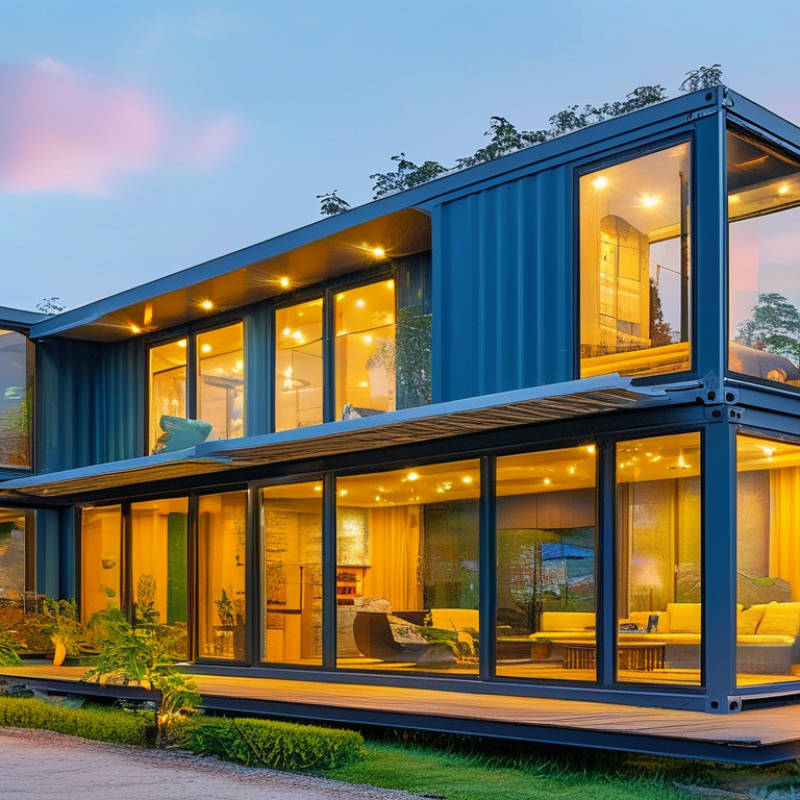
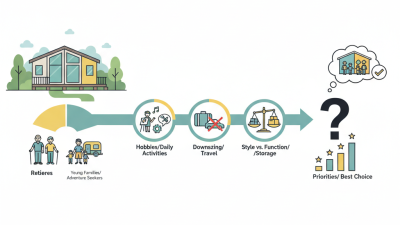
Large container homes offer remarkable adaptability and customization options for sustainable living. These homes can be designed to fit various lifestyles, making them attractive to families, singles, or retirees. For instance, you can choose to incorporate large windows for natural light or opt for compact kitchens that maximize space. The choice is yours.
One of the fascinating aspects of container homes is their modular design. This allows for easy expansion or reconfiguration. Imagine needing an extra room for a home office; it's simply a matter of adding another container. However, this flexibility can sometimes lead to over-complicated designs. A clear blueprint is essential to avoid overwhelming choices.
Utilizing recycled materials in container home construction adds another layer of uniqueness. Many opt for reclaimed wood or upcycled fixtures. This approach gives each home its character. Yet, balancing aesthetics and sustainability can be challenging. It requires careful planning to ensure energy efficiency while still achieving a stylish look. Embracing this journey allows homeowners to reflect on their priorities and values.