How to Choose the Best Double Wide Modular Homes for Your Needs?
Selecting the right **Double Wide Modular Homes** can be a daunting task. With the market's growth, it's essential to make informed choices. According to recent statistics, the modular home industry has expanded by over 20% in the last five years, highlighting its growing popularity. Potential homeowners must consider various factors, including layout, energy efficiency, and affordability.
While many find double wide homes spacious and cost-effective, it’s crucial to evaluate personal needs. Reports indicate that buyers often underestimate the total cost of ownership. This includes site preparation and long-term maintenance. It’s easy to be swayed by attractive designs, but practicality should guide your decisions. Moreover, not all manufacturers are equal in quality and warranty.
Given the complexity of choosing the perfect home, consulting experts can provide valuable insights. Their experience helps navigate the nuances of this housing option. Yet, potential buyers must remain critical and ask questions. Ensuring the right fit requires an understanding of both lifestyle needs and market trends. The goal is to find a home that aligns with your vision for the future.
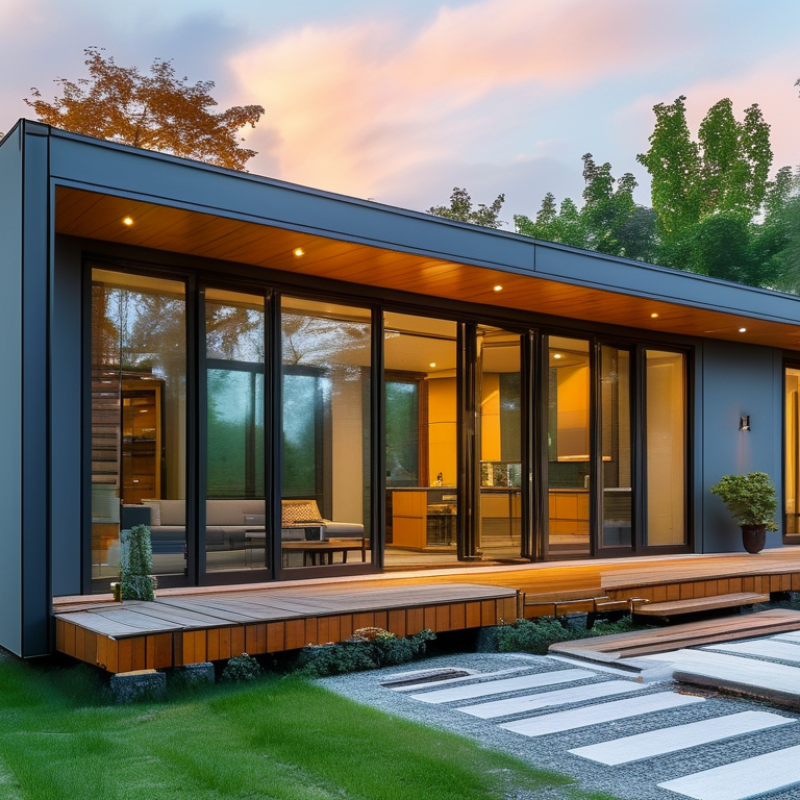
Understanding Double Wide Modular Homes and Their Benefits
Double wide modular homes offer an appealing solution for many home buyers. These homes typically provide more space than single-section models. According to the 2022 Modular Home Industry Report, double wide homes can be 1,300 to 2,400 square feet, accommodating families of all sizes. This significant increase in space can meet diverse needs.
One major benefit is their affordability. A double wide modular home averages around $100 to $200 per square foot, which is less than traditional site-built homes. The National Association of Home Builders states that modular homes can cost 10-20% less than conventional homes. This cost-effectiveness allows families to invest more in customization and décor. However, buyers should consider land costs and installation fees, which can significantly impact the total price.
Moreover, these homes offer energy efficiency. Many are built with eco-friendly materials, which can reduce utility costs. A study by the Department of Energy highlights that energy-efficient homes can save homeowners up to 30% on annual energy bills. Still, not all modular homes are built with the same standards. Researching manufacturers and understanding local building codes is essential. Finding the right balance between affordability and quality can be challenging but crucial for long-term satisfaction.
How to Choose the Best Double Wide Modular Homes for Your Needs?
| Feature |
Description |
Benefits |
| Size |
Typically ranges from 1,200 to over 2,400 square feet. |
Offers ample living space for families and customization options. |
| Layout |
Open floor plans with multiple bedroom options. |
Flexibility in arrangement to fit various lifestyles and needs. |
| Energy Efficiency |
Built with Energy Star certified materials. |
Lower utility bills and reduced environmental impact. |
| Construction Time |
Usually completed within a few weeks compared to traditional homes. |
Faster move-in times and reduced disruption. |
| Affordability |
More cost-effective than traditional homes per square foot. |
Achievable home ownership for more families. |
| Customization |
Options for fixtures, finishes, and layouts. |
Allows personalization to match individual tastes and lifestyles. |
Key Factors to Consider When Choosing a Double Wide Modular Home
When selecting a double wide modular home, several key factors come into play. First, consider the floor plan. An efficient layout can enhance daily living. According to the Manufactured Housing Institute, the average size of a double wide home is about 1,400 square feet. This offers ample space for families but may feel cramped if not optimized.
Another crucial factor is energy efficiency. Modular homes often feature better insulation than traditional homes. A report from the U.S. Department of Energy indicates that modular homes can be 25% more energy-efficient. Look for homes with Energy Star-rated appliances and windows. These features not only save money but also reduce carbon footprints.
Finally, focus on community. The location of your home can impact your lifestyle. Proximity to schools, shopping centers, and parks matters. Researching local zoning laws and land use regulations is essential. Many buyers overlook these aspects, which can lead to dissatisfaction. It's crucial to ensure that the modular home meets both your current and future needs.
Evaluating Space and Layout Options for Your Family's Needs
Choosing the right layout for a double wide modular home is crucial. Space should cater to your family's lifestyle. Consider the number of bedrooms and bathrooms needed. Will you need an office space or a play area for children? A well-thought-out floor plan can enhance daily living.
Open-concept designs are popular for creating flow. They often connect the kitchen, dining, and living areas seamlessly. However, this can limit privacy. If you value quiet spaces, consider separate rooms. Evaluate how much storage is included in the design. Ample storage keeps clutter at bay, making your home feel more spacious.
Don’t forget about future needs. Your family dynamics may change. Think about potential needs for extra bedrooms or accessible layouts. Reflect on how layouts can impact lighting and airflow. Natural light can brighten spaces, affecting mood positively. A balance between open areas and private spaces can create harmony in your home.
Assessing Budget and Financial Options for Double Wide Homes
When considering a double wide modular home, budget is a crucial factor. Understanding your financial capabilities shapes your options. Start by evaluating your income and monthly expenses. This helps you determine a realistic price range. Look into how much you can afford for a down payment. A larger down payment often leads to better financing terms.
Explore different financing options for your modular home. Conventional loans, FHA loans, and personal loans may be viable paths. Each option has its pros and cons. Consider interest rates and loan terms carefully. Be mindful of hidden fees or costs. It's essential to read the fine print before committing.
Reflect on hidden expenses that come with ownership. Property taxes, maintenance, and insurance can add up. Always budget for these ongoing costs. Be prepared for unexpected repairs, too. A comprehensive budget will aid clear decision-making. It ensures you truly find a home that meets your needs and financial situation.
Choosing the Right Manufacturer and Ensuring Quality Standards
When selecting a double wide modular home, quality is paramount. The manufacturer’s reputation plays a crucial role in ensuring this quality. Research various manufacturers and examine their experience in the industry. Look for those with a solid track record of satisfied customers. Reliable manufacturers often provide a portfolio of past work, showcasing their craftsmanship and attention to detail.
Don’t overlook quality standards. Ensure that the manufacturer adheres to building codes and regulations in your area. Inquire about their quality assurance processes. Are they committed to using high-grade materials? A thorough inspection of their homes can reveal a lot. Pay attention to finishes, insulation, and structural integrity. Even small flaws can lead to larger issues later on.
Visiting model homes can provide valuable insights. While manufacturers may have attractive designs, some might cut corners in construction. Take the time to assess the layout and functionality of the space. If a home feels cramped or poorly designed, consider other options. Remember, the initial appeal might not guarantee long-term satisfaction. Reflect on what truly fits your needs before making a choice.
When selecting a double wide modular home, quality is paramount. The manufacturer’s reputation plays a crucial role in ensuring this quality. Research various manufacturers and examine their experience in the industry. Look for those with a solid track record of satisfied customers. Reliable manufacturers often provide a portfolio of past work, showcasing their craftsmanship and attention to detail.
Don’t overlook quality standards. Ensure that the manufacturer adheres to building codes and regulations in your area. Inquire about their quality assurance processes. Are they committed to using high-grade materials? A thorough inspection of their homes can reveal a lot. Pay attention to finishes, insulation, and structural integrity. Even small flaws can lead to larger issues later on.
Visiting model homes can provide valuable insights. While manufacturers may have attractive designs, some might cut corners in construction. Take the time to assess the layout and functionality of the space. If a home feels cramped or poorly designed, consider other options. Remember, the initial appeal might not guarantee long-term satisfaction. Reflect on what truly fits your needs before making a choice.