What is the Cost of Canadian Prefab Homes and Their Benefits for Homeowners
In recent years, Canadian Prefab Homes have gained significant attention for their affordability and efficiency in construction. As the housing market faces increasing challenges, these homes offer an innovative solution for potential homeowners. Renowned expert in modular construction, Dr. Emily Thompson, emphasizes the growing popularity of this housing model, stating, "Canadian Prefab Homes not only provide cost-effective solutions but also promote sustainable living practices that resonate with the modern homeowner."
The cost of Canadian Prefab Homes has been a pivotal factor in their rising demand. With reduced construction times and lower labor costs, these homes present a financially viable option for many seeking to enter the housing market. Furthermore, the benefits extend beyond mere savings; the environmentally friendly aspects of prefab construction contribute to a growing preference for sustainable living. Dr. Thompson highlights how these homes are designed with eco-conscious materials and energy-efficient systems, making them a desirable choice for resource-minded individuals.
In this context, understanding the cost and benefits of Canadian Prefab Homes is essential for homeowners looking to make informed decisions. This examination will delve into the various price points associated with these innovative residences and the distinct advantages they offer over traditional construction methods.
Understanding Prefabricated Homes in Canada: An Overview
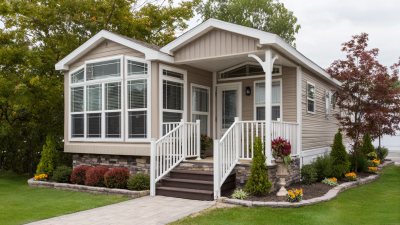
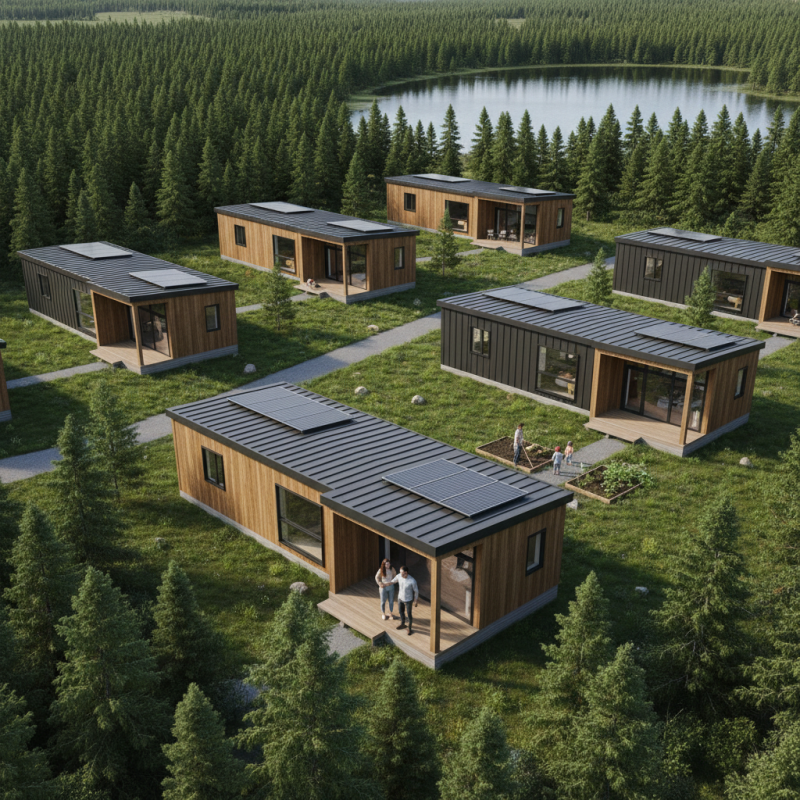
Prefabricated homes, often referred to as prefab homes, are gaining popularity in Canada for their efficiency and sustainability. These homes are constructed off-site in sections or modules, which are then transported to the building site for assembly. This method allows for quicker build times and reduces waste compared to traditional construction methods, making prefab homes an attractive option for eco-conscious homeowners. Importantly, advancements in technology have improved the customization options available, allowing homeowners to create a design that suits their preferences and needs.
In addition to their efficiency, prefabricated homes offer several financial benefits. Due to streamlined construction processes, homeowners can often save money on labor costs and overall expenses. Many prefab homes are designed to be energy-efficient, which can lead to significant savings on utility bills over time. Furthermore, the controlled environment in which these homes are built minimizes disruptions due to weather conditions, further ensuring project timelines are met. As the demand for affordable and sustainable housing options continues to rise, understanding the benefits and features of prefab homes becomes increasingly crucial for prospective homeowners in Canada.
Cost of Canadian Prefab Homes and Their Benefits for Homeowners
This bar chart illustrates the cost breakdown ofCanadian prefab homes, categorized into low-end, mid-range, and high-end options. As shown, prices significantly increase with higher-end models, reflecting the various features and benefits each option offers to homeowners.
Analyzing the Cost Factors of Canadian Prefab Homes
When analyzing the cost factors of Canadian prefab homes, several key elements come into play. Firstly, the initial price of materials significantly impacts overall costs. Prefabricated homes utilize advanced building techniques, which often lowers material waste compared to traditional construction methods. This efficiency can lead to competitive pricing, although the quality of materials chosen—such as sustainable wood or energy-efficient components—can elevate costs. Additionally, the scale and complexity of the design influence expenses; more intricate layouts typically result in higher prices due to the increased labor and materials required.
Another critical cost factor is the location of the build site. Transportation costs for the prefab components can vary widely based on distance from the manufacturing facility to the site. Sites in remote areas may incur additional logistical expenses, which could affect the final budget. Moreover, local regulations and zoning laws can add unforeseen fees as homeowners may need to secure permits or make adjustments to comply with specific building codes. These aspects, alongside factory production timelines, contribute to the overall financial picture, making it essential for potential buyers to conduct thorough research and planning when considering a Canadian prefab home.
Benefits of Choosing Prefab Homes for Homeowners
Prefab homes have gained significant traction among homeowners in Canada due to their myriad benefits. One of the standout advantages is the speed of construction. According to the Canadian Home Builders' Association, prefab homes can be built in approximately 30% less time than traditional homes. This accelerated timeline not only allows for quicker move-in dates but also minimizes the disruption to homeowners’ lives during the building process.
Cost-effectiveness is another compelling reason for homeowners to consider prefab homes. A report from Statistics Canada indicates that the cost of building a home in Canada has risen sharply in recent years, with average expenses reaching around CAD 400,000. Prefab homes, on the other hand, can reduce construction costs by 10-20% due to the efficiencies in the manufacturing process and the reduction in labor costs. Additionally, prefab homes generally result in lower energy expenses; the National Research Council of Canada suggests that these homes are often more energy-efficient, which translates into long-term savings for homeowners looking to manage their budgets effectively.
Furthermore, prefab homes offer a level of design flexibility that appeals to many modern homeowners. The homes can be customized to meet individual preferences, promoting a sense of ownership and personalization. Research from the Canadian Mortgage and Housing Corporation highlights that 68% of homeowners who chose prefab options reported greater satisfaction in their living space, aligning their homes with their lifestyles and values. This combination of speed, cost savings, and customization makes prefab homes an increasingly attractive option for those entering the housing market.
Comparing Prefab Homes with Traditional Construction Methods
When comparing prefab homes with traditional construction methods, several key differences emerge that can significantly impact homeowners' decisions. Prefab homes are constructed in sections off-site and transported to the building location for final assembly. This streamlined process can significantly reduce construction time, allowing families to move into their new homes more quickly than with traditional methods. Traditional construction often involves lengthy on-site work, which can be affected by weather conditions and other delays, leading to extended project timelines.
In addition to time savings, prefab homes often provide cost advantages over conventional building methods. The controlled environment of a factory setting reduces waste and can lead to lower overall material costs. Homeowners can also benefit from energy-efficient designs and modern building techniques that are often employed in prefab construction. While traditional homes may offer more customization during the building process, prefabricated options can provide a variety of modern designs and floor plans, enabling potential homeowners to choose a home that fits their aesthetic without the associated delays commonly found in traditional construction.
What is the Cost of Canadian Prefab Homes and Their Benefits for Homeowners - Comparing Prefab Homes with Traditional Construction Methods
| Aspect |
Prefab Homes |
Traditional Construction |
| Average Cost per Square Foot |
$150 - $200 |
$200 - $350 |
| Construction Time |
3 - 6 months |
6 - 12 months |
| Customization Options |
High |
Medium |
| Environmental Impact |
Lower |
Higher |
| Maintenance Costs |
Low |
Moderate |
| Energy Efficiency |
High |
Medium |
Financing Options and Incentives for Canadian Prefab Homebuyers
When considering the purchase of Canadian prefab homes, prospective buyers often explore various financing options and incentives available to them. According to the Canadian Mortgage and Housing Corporation (CMHC), many lenders now offer specific financing products for modular and prefab homes, which can make homeownership more accessible. Buyers can take advantage of traditional mortgages, but they may also find alternative financing solutions, such as personal loans or lines of credit, particularly beneficial due to the typically lower upfront costs associated with prefab homes.

In addition to financing, Canadian homeowners can additionally benefit from government incentives aimed at promoting energy-efficient living. Programs such as the Canada Greener Homes Grant provide up to $5,000 for home energy retrofits, which can be particularly advantageous for those investing in eco-friendly prefab models. The CMHC reports that about 40% of new homes in Canada are now built with sustainable features, which not only helps reduce utility bills but also enhances the resale value of these homes. Furthermore, various provincial programs may offer additional rebates or financial incentives, significantly reducing the overall cost burden for new homeowners in the prefab sector.