What is Modular Home Designs and How Do They Work?
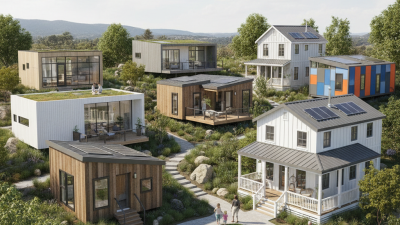
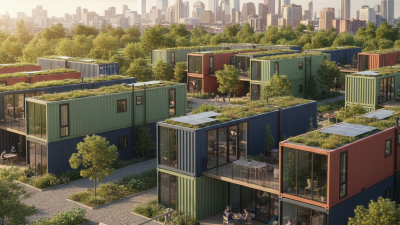
Modular Home Designs are an innovative way to build homes efficiently. These structures are created in sections or modules, manufactured in a factory, and then transported to the site. This method saves time and often money, making homeownership more accessible.
Every design is unique, reflecting the personality of its owner. The modular approach allows for customization in layout, size, and finishes. However, challenges can arise in zoning regulations and site preparation. Not all areas are accepting of modular homes, leading to frustrations for some buyers.
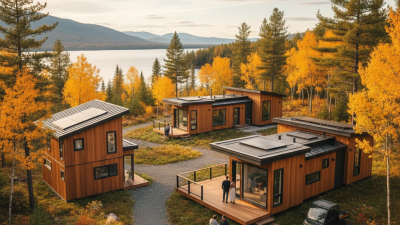
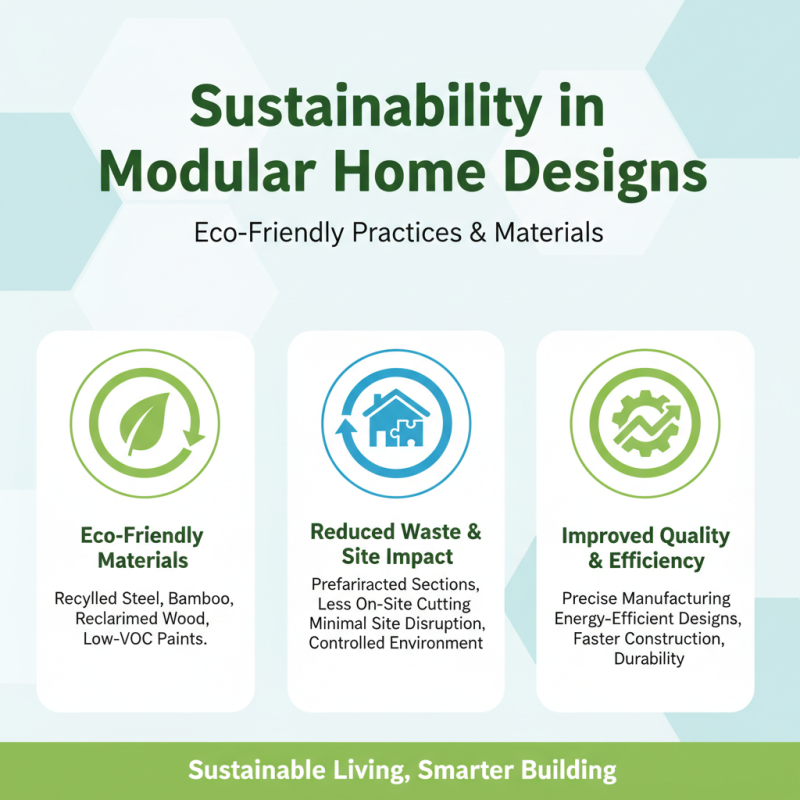
Additionally, while modular homes are often seen as eco-friendly, not all companies prioritize sustainability. Some materials used may not be environmentally sound. This raises questions about what "green" really means in modular construction. Buyers must research and reflect on these factors before making a decision. Ultimately, understanding Modular Home Designs is crucial for making informed choices in today’s housing market.
What Are Modular Home Designs: An Overview of Their Features
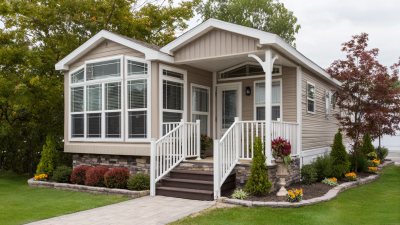
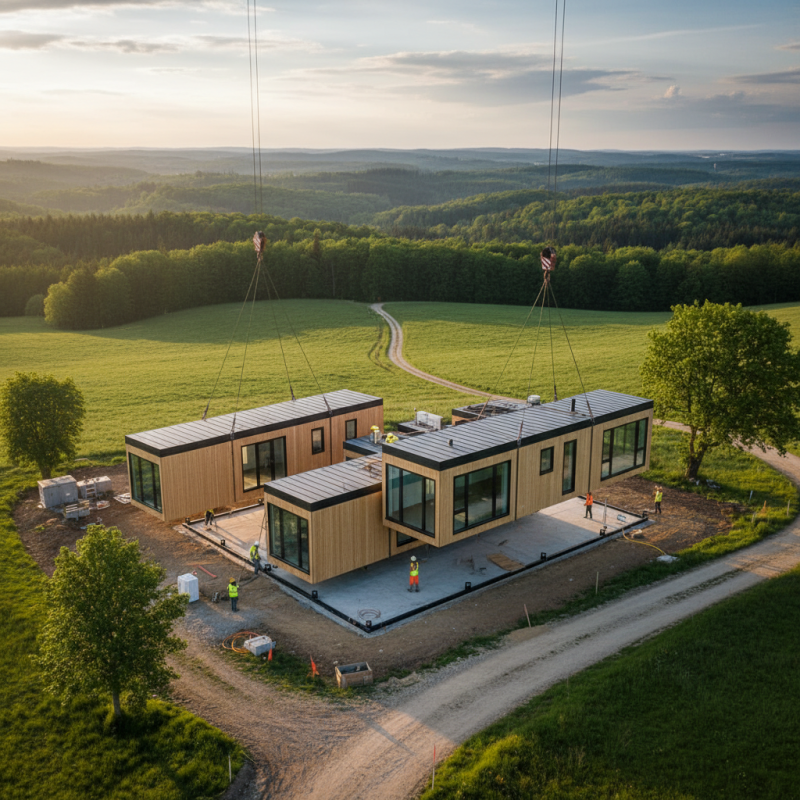
Modular home designs have gained popularity for their innovative approach to construction. These homes are built in sections, called modules, in a factory setting. Each module is then transported to the building site and assembled. This method allows for quicker construction times and often results in lower costs compared to traditional homes. Furthermore, modular homes can be customized to meet individual needs, giving homeowners unique options.
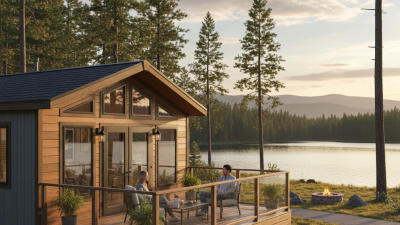
One striking feature of modular homes is their energy efficiency. Many designs incorporate sustainable materials and techniques, which reduce energy consumption. Homes can come with added insulation and energy-efficient windows. However, some may find that the aesthetic can feel less personalized than site-built homes. Modifying or adding to a modular home can sometimes present challenges.
The construction process itself is not without flaws. While modular homes are built to rigorous standards, on-site assembly may introduce inconsistencies. Homeowners should be prepared for occasional adjustments or refinements in the finishing stages. Embracing the modular concept means balancing the benefits with potential imperfection, a crucial aspect in the decision-making process.
The Construction Process of Modular Homes: Step-by-Step Insights
Modular homes are built off-site in sections, known as modules. This method speeds up construction. Each module is constructed in a controlled environment, minimizing weather-related delays. Workers ensure quality control during the building process. Once completed, modules are transported to the site for assembly.
The construction process begins with site preparation. Foundations are laid based on the design specifications. After that, modules are delivered and positioned on the foundation. This requires precise coordination and skilled labor. Each connection point between modules must be secure. Gaps can lead to issues later, which is why attention to detail is essential.
Once the modules are connected, interior work begins. Insulation, plumbing, and electrical systems get installed. These tasks can be overwhelming for some builders. Mistakes at this stage can complicate the whole project. It's important to double-check every step. Communication among workers is crucial to avoid errors. Overall, while modular home construction is efficient, it demands careful planning and execution.
Benefits of Modular Homes: Cost Efficiency and Time Savings
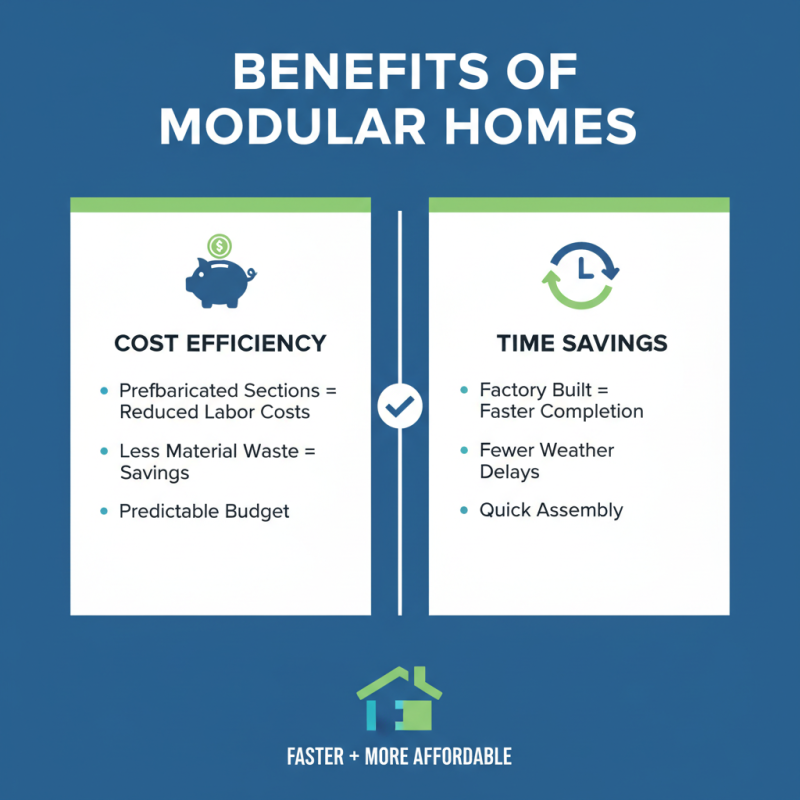
Modular homes have gained popularity for their cost efficiency and time savings. These homes are prefabricated in sections, allowing for quick assembly. Because components are built in a factory, they often experience fewer delays. Weather conditions affect traditional builds, but modular homes bypass many of these issues.
One major advantage is cost savings. Modular homes typically have lower construction costs. Bulk purchasing of materials reduces expenses. Additionally, labor costs can be lower since factory workers are often more skilled and efficient. There are, however, unexpected expenses that can arise, such as land preparation and permits. Buyers must remain vigilant to avoid budget overruns.
Time savings are also significant. A modular home can be completed in a fraction of the time required for a traditional home. Once on-site, construction can be finished within weeks. Yet, this rapid pace can lead to oversights. Rushing can sometimes lead to quality issues that need addressing later. Homeowners should ensure thorough inspections at each stage for peace of mind.
Key Differences Between Modular and Traditional Home Construction
Modular homes differ significantly from traditional construction methods. Modular homes are built in sections, or modules, in controlled factory environments. These modules are then transported and assembled on-site. This process often results in reduced construction time. According to the Modular Building Institute, modular construction can cut build time by about 30% compared to conventional methods.
Traditional homes rely on on-site construction, which is often subject to weather delays. Each part is built from scratch, increasing labor costs and time. In contrast, modular homes use pre-fabricated sections that minimize waste and labor. Reports indicate that modular homes can reduce material waste by up to 20%. However, some may feel that modular homes lack customization options when compared to traditional builds.
While modular homes can be cost-effective, potential buyers should consider overall value. A study from McGraw Hill Construction suggests that while initial costs might be lower, future resale values can be uncertain. This aspect demands careful reflection from buyers. Homeowners often seek unique designs; some may feel modular homes lack a personal touch. Understanding these key differences is vital for making informed decisions in home construction.
What is Modular Home Designs and How Do They Work? - Key Differences Between Modular and Traditional Home Construction
| Aspect |
Modular Homes |
Traditional Homes |
| Construction Time |
Faster, typically 3-6 months |
Slower, often over 6 months |
| Cost |
Generally lower, due to factory efficiency |
Can be higher, varies greatly |
| Quality Control |
Higher, built in a controlled environment |
Varies, affected by weather and contractors |
| Design Flexibility |
Moderate, limited to factory plans |
High, fully customizable |
| Eco-Friendliness |
Often higher, efficient use of materials |
Depends on builder practices |
| Financing Options |
May have fewer options |
More traditional mortgage options |