Why Modular Home Designs Are the Future of Sustainable Living?
Modular Home Designs are gaining traction in the sustainable living landscape. According to the U.S. Census Bureau, over 20% of new homes are built off-site. These homes often have smaller environmental footprints. They use fewer materials and generate less waste during construction. A report from the National Institute of Building Sciences highlights that modular homes can reduce energy use by up to 30%.
However, the transition to Modular Home Designs is not without challenges. Public perception is a hurdle. Many still associate modular homes with low quality. This misconception needs addressing. The quality of materials and design capabilities has improved significantly. Innovations in engineering and technology are reshaping the market. Despite these advancements, some consumers remain skeptical and cautious.
As cities grow and climate issues intensify, the need for sustainable options is urgent. Modular Home Designs offer a viable solution. They promote efficient living and reduce costs long-term. Yet, for widespread acceptance, ongoing education about their benefits is essential. It's a journey that requires patience and continuous dialogue. The potential for modular homes is vast, but we must navigate the challenges ahead.
The Concept of Modular Home Designs in Sustainable Living
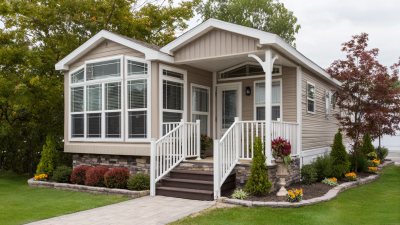
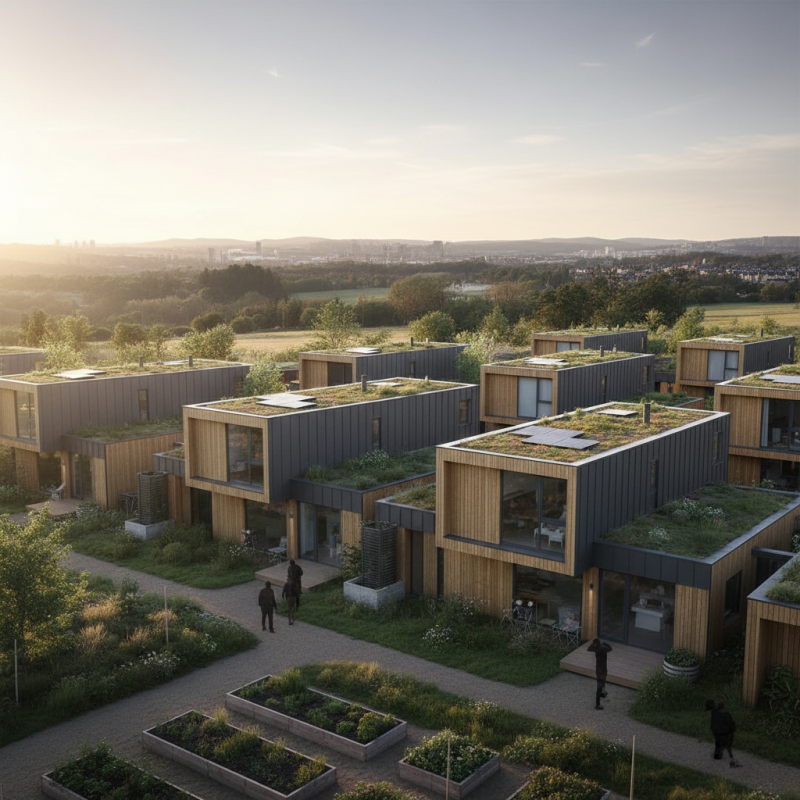
Modular home designs represent an innovative approach to sustainable living. These homes are built in sections, or modules, off-site. This process minimizes waste and pollution. Traditional construction often leads to excess debris. Modular homes can reduce this significantly. Their design encourages efficiency in materials. The production can be streamlined, lowering the carbon footprint.
Each module can incorporate sustainable materials. Solar panels and energy-efficient windows can be added easily. However, not every design takes full advantage of these features. Some may overlook energy efficiency during the build. Buyers should demand better standards. Not all modular homes are created equal.
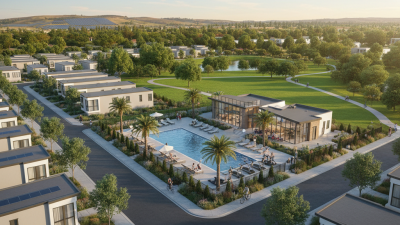
Living sustainably also involves how we use these spaces. It’s not just about the structure. Community planning is crucial. Living near work, schools, and parks reduces dependence on cars. Yet, this is often a challenge. Not all modular developments are placed in ideal locations. Thoughtful design and placement are key to true sustainability.
Why Modular Home Designs Are the Future of Sustainable Living
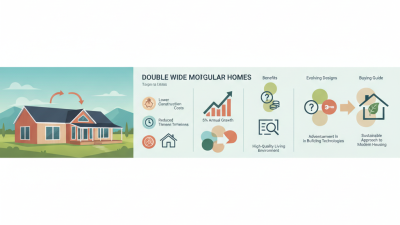
Modular home designs offer numerous benefits that support sustainable living, including energy efficiency, waste reduction, cost-effectiveness, customization options, and speed of construction. This chart illustrates the potential impact of these benefits, showcasing why modular homes are becoming an increasingly popular choice for sustainable living.
Environmental Benefits of Modular Homes Compared to Traditional Constructions
Modular homes are reshaping our understanding of sustainable living. They offer numerous environmental benefits compared to traditional constructions. These homes are built off-site in a factory setting, significantly reducing waste. Less material ends up in landfills. Additionally, the energy used in transportation is minimized, making the building process more efficient.
Many modular homes use sustainable materials. This practice can lower the carbon footprint. Some designs incorporate renewable energy sources, such as solar panels. Using these features means residents may have lower utility costs over time. However, not all modular homes adhere to these standards. Buyers should investigate features carefully.
Tips for choosing a modular home include checking insulation quality. High-quality insulation reduces energy consumption. Consider the home’s orientation to maximize natural light. This small detail can lower heating costs. Lastly, evaluate the materials used in construction. Look for certifications that meet sustainability standards. Making informed choices benefits both the environment and your wallet.
Why Modular Home Designs Are the Future of Sustainable Living?
| Sustainability Aspect |
Modular Homes |
Traditional Homes |
| Construction Waste |
Reduced by 60% |
Higher than 20% |
| Energy Efficiency |
Up to 30% better |
Standard ratings |
| Time to Construct |
4-6 weeks |
6-12 months |
| Carbon Footprint |
Lower by 40% |
Higher emissions |
| Flexibility in Design |
Highly customizable |
Limited options |
| Water Usage |
Reduced by 50% |
Standard usage |
Cost Efficiency and Affordability of Modular Home Designs
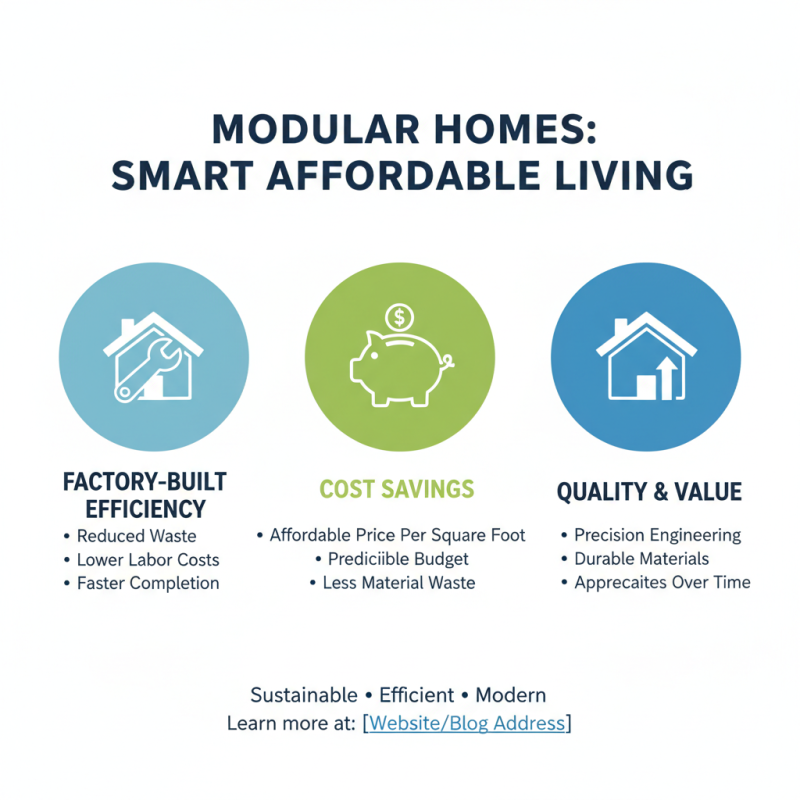
Modular home designs offer a fresh approach to affordability in housing. These homes are built in sections, or modules, in a factory setting. This process reduces construction waste and minimizes costs. Many people desire quality living spaces without breaking the bank. Modular designs often deliver on that promise.
Cost efficiency is not just about the initial price. These homes tend to be more energy-efficient as well. With better insulation and modern materials, energy bills can drop significantly. Homeowners may discover long-term savings in utility expenses. However, potential buyers should consider zoning laws that can affect placement.
This housing model invites a new lifestyle but has challenges. Finding land that allows modular homes can be tricky. Builders must navigate various permits and local regulations. Despite these hurdles, modular homes remain a practical choice for many. Affordable living is a significant challenge today, and modular designs offer a viable pathway toward sustainability.
Flexibility and Customization in Modular Housing Solutions
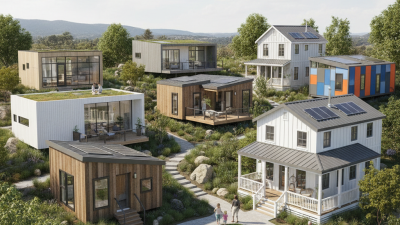
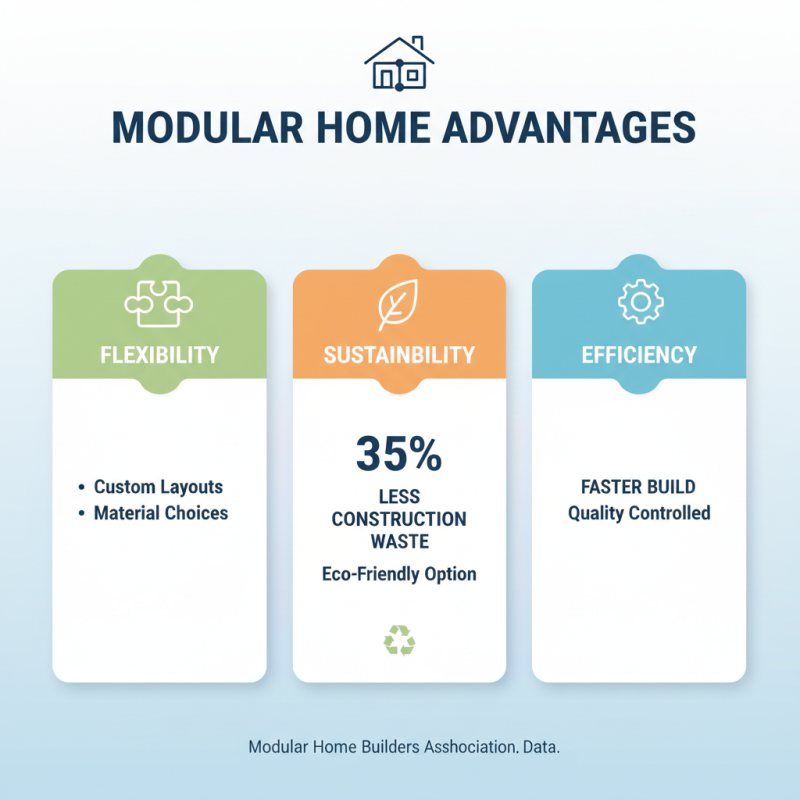
Modular home designs are gaining attention for their flexibility and customization options. Homebuyers can choose from various layouts, materials, and finishes. According to the Modular Home Builders Association, modular homes can reduce construction waste by up to 35%. This makes them a more sustainable option compared to traditional homes.
Customization allows homeowners to create unique spaces. For instance, adding a home office or a larger kitchen can happen easily. A recent study from the National Association of Home Builders indicates that 73% of buyers value personalized features. However, some may struggle with the decision-making process. Too many options can lead to paralyzed choices.
Additionally, local building codes can complicate the modular home journey. While many areas support modular construction, regulations can vary widely. A project aimed at sustainability might encounter unexpected challenges. Therefore, it’s crucial for potential buyers to research local guidelines. Embracing flexibility is important, but buyers must also navigate the complexities of customization wisely.
The Role of Technology in Advancing Modular Home Sustainability
Modular home designs are transforming the landscape of sustainable living. With the integration of advanced technology, these homes utilize resources more efficiently. Recent data indicates that modular homes can achieve up to 30% more energy efficiency than traditional construction methods. Prefabrication reduces waste significantly. Approximately 50% less construction material is discarded during modular build processes.
The role of technology in this evolution is vital. Smart home systems now regulate energy consumption by optimizing heating and cooling. Solar panels can be integrated seamlessly. A report from the National Renewable Energy Laboratory shows that using solar energy in modular homes can decrease energy costs by up to 40%. However, the upfront investment can be daunting for some. Many potential homeowners hesitate to embrace these innovations.
While the technology is promising, there are challenges. Not all modular homes meet green building certifications. This inconsistency can mislead buyers. Some modular designs still rely on traditional materials, impacting sustainability. As the industry grows, it must address these flaws. Fostering transparency and enhancing material standards will be crucial for widespread acceptance.