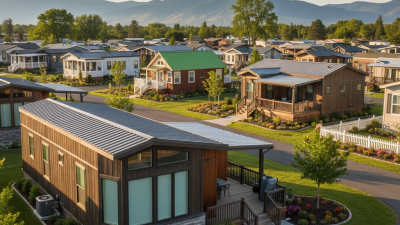
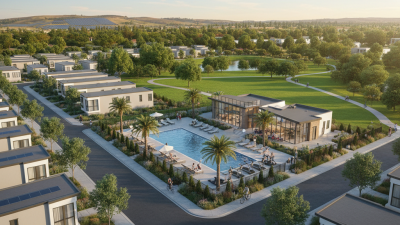
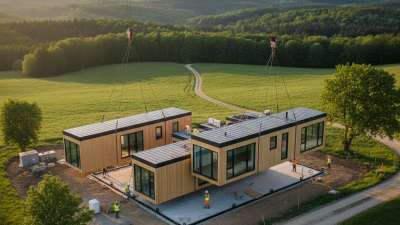
Top Modular Home Designs That Transform Your Lifestyle?
In recent years, the popularity of Modular Home Designs has surged dramatically. According to the latest report by the Modular Housing Institute, U.S. production of modular homes has grown by 20% annually. This growth reflects a shift in consumer preferences toward sustainable and efficient living spaces. Industry expert Mark McElroy emphasizes, "Modular designs enable homeowners to maximize functionality while minimizing environmental impact."
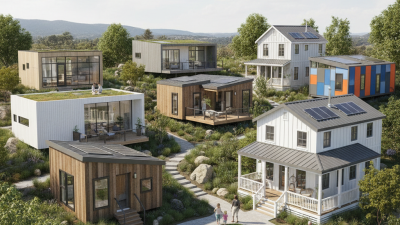
These homes offer flexibility, affordability, and quicker construction times compared to traditional builds. They can be customized to suit various lifestyles, from compact urban living to spacious family homes. Potential homeowners are recognizing the long-term benefits, such as improved energy efficiency and lower operational costs. Yet, there are considerations that must not be overlooked.
While Modular Home Designs present many advantages, buyers should address potential concerns about quality control and financing options. Not all modular homes are created equal, and the design process can be complex. Understanding local regulations and choosing the right builder is essential. The journey to a modular home is transformative but requires careful planning and reflection.
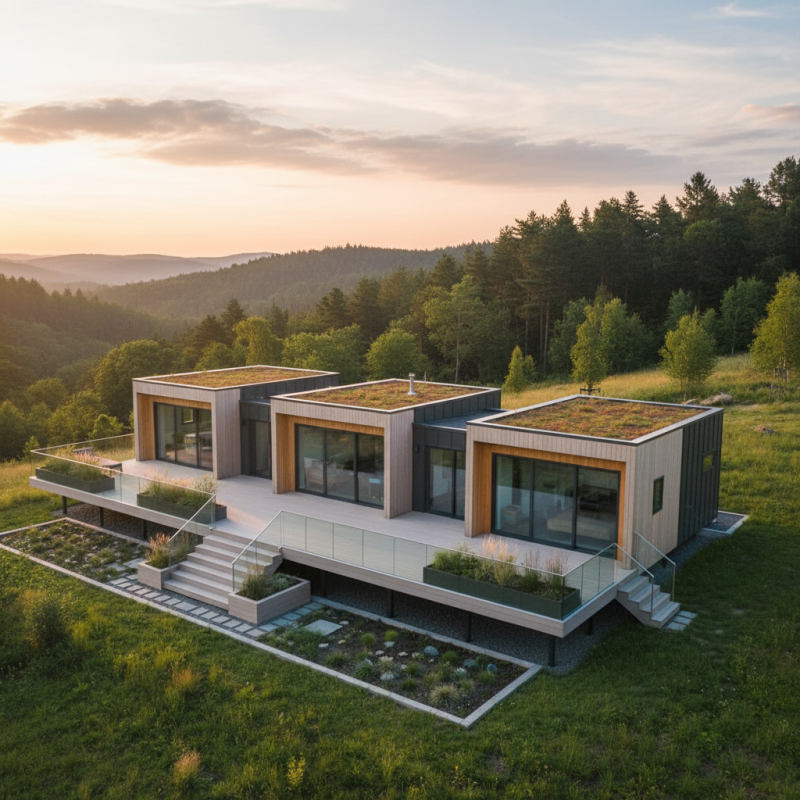
Innovative Features of Modern Modular Home Designs
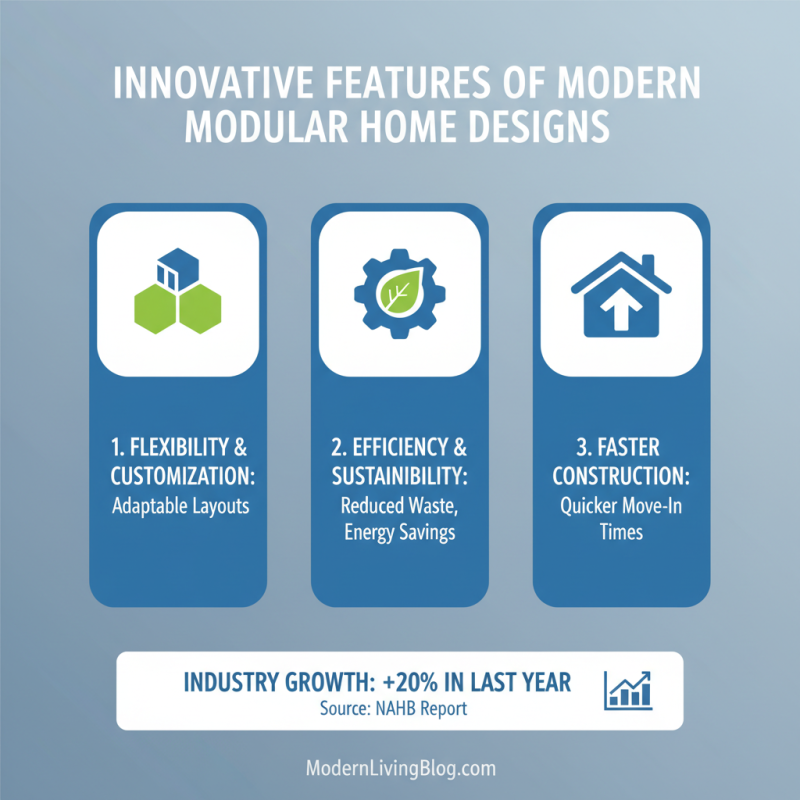
Modern modular home designs have revolutionized the housing industry. These homes offer flexibility and efficiency in a way traditional homes often cannot. According to a recent report from the National Association of Home Builders, modular home construction grew by 20% in just the last year. This surge highlights a growing shift in consumer preferences toward more innovative living solutions.
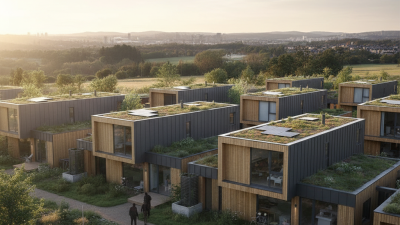
One of the standout features of modern modular homes is their sustainability. Many designs incorporate energy-efficient materials and technologies. For example, solar panels and advanced insulation help reduce energy costs significantly. Data from the U.S. Department of Energy indicates that sustainable homes can save up to 30% on energy bills annually. However, some modular homes face challenges. Limited customization options can restrict personal expression. Buyers sometimes find it difficult to find a balance between design flexibility and standardization.
Smart home technology is another trend shaping these residences. Many modular homes come equipped with integrated smart systems for controlling lighting and security. The international market for smart home devices is projected to reach $174 billion by 2025. This illustrates how technology can enhance the living experience. However, reliance on technology also raises concerns about privacy and data security. Homeowners must reflect on how much control they are comfortable relinquishing.
Sustainable Materials and Eco-Friendly Practices in Modular Homes
Modular homes are increasingly embracing sustainable materials and eco-friendly practices. A recent report from the U.S. Green Building Council shows that green building technologies can reduce energy consumption by 30%. This shift is vital, as traditional building methods often leave a hefty carbon footprint.
Many modular homes incorporate recycled and renewable materials. For example, bamboo flooring is a popular choice due to its rapid growth rate and minimal environmental impact.
Steel frames are also prevalent, offering durability while being recyclable at the end of their life cycle. Using these materials reflects a commitment to sustainability.
Building modular homes also allows for improved energy efficiency. The design process enables better insulation and air sealing. This can lead to up to 50% energy savings according to studies from the National Renewable Energy Laboratory.
Homeowners benefit from reduced utility bills and a smaller ecological footprint. However, the initial costs for sustainable materials can be higher. This aligns with the ongoing debate about balancing upfront investment and long-term savings.
Space Optimization Techniques in Popular Modular Home Layouts
In the realm of modular home designs, space optimization is key. Popular layouts often focus on functionality without sacrificing aesthetics. Modular homes utilize innovative techniques to maximize the available space, making small areas feel open and organized.
One technique is multi-functional furniture. Consider a sofa that converts into a guest bed or a coffee table with hidden storage. This not only saves space but also enhances the home’s usability. Focus on vertical space as well. Shelving units that extend to the ceiling can store books and decor without creating clutter.
Another aspect is open-floor plans. These layouts create a seamless flow between living areas, fostering a sense of togetherness. They can be particularly beneficial in smaller homes. However, be mindful of noise levels and privacy concerns. An open space can sometimes feel overwhelming without the right balance of connection and separation.
**Tips:** Use light colors to make rooms appear larger. Incorporate mirrors to create the illusion of depth. Always evaluate your furniture size relative to the space available; oversized items can dominate a room.
Top Modular Home Designs That Transform Your Lifestyle
Customizable Options for Personalizing Your Modular Home Experience
Modular homes offer incredible flexibility. One of the most appealing features is the variety of customizable options. You can choose layouts, colors, and materials that reflect your taste. This personalization transforms a simple house into a true home.
Want an open floor plan? It's possible. Prefer a cozy nook for reading? You can have that too.
Flexibility is key in design. However, while customizing, it’s important to balance aesthetics and functionality. Some choices may look great but could hinder practical use. Consider how space flows when choosing your layout.
Think about future needs as well. Families grow and lifestyles change. A design that fits today may not suit tomorrow. Being aware of these factors can lead to better decisions.
Test out your ideas through virtual design tools. This helps visualize rooms and layouts. Sometimes, the ideal choice may not be apparent until you see it. Embrace the trial-and-error process. Personalizing your modular home should be a joyful journey, not a stressful task.
Benefits of Choosing Modular Homes for a Transformative Lifestyle
Modular homes offer an innovative approach to modern living. They allow for customizable designs that reflect your personal style. Such homes can be built efficiently, providing a quick and hassle-free living solution. This flexibility meets the demands of various lifestyles, proving to be a game-changer for many families.
Choosing a modular home comes with unique benefits. The construction process is usually faster than traditional homes. This rapid build time means families can move into their dream home sooner. Modular designs often utilize sustainable materials, promoting an eco-friendly lifestyle. Additionally, homeowners can easily expand their spaces as their lives change.
Tip: When selecting a modular design, think about the long-term needs of your family. Consider factors like future expansions or modifications. Aim for designs that are adaptable. You may find that some features you love today might need to change in the future. Keep functionality at the forefront of your choices, and don't shy away from designs that push conventional boundaries.