Top Tips for Choosing Park Model Homes for Your Next Purchase?
When considering your next purchase, Park Model Homes offer unique advantages. These homes are designed for efficiency, optimizing space while providing comfort. Choosing the right one can be daunting. This decision affects your lifestyle and investment.
Park Model Homes come in various styles and sizes. It’s essential to think about your needs and preferences. Are you looking for a vacation retreat or a permanent residence? Understanding your priorities will guide your decision.
Remember that not every option will meet all your needs perfectly. You may face compromises. Evaluate the available features carefully. Professional advice can also be invaluable in this process. Ensuring you make an informed choice will lead to a more satisfying experience.
Understanding Park Model Homes: Definition and Characteristics
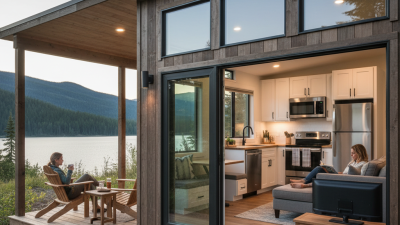
Park model homes are a unique type of manufactured housing. They are smaller than traditional homes but offer more amenities than typical RVs. These homes are usually between 400 to 500 square feet. They often come with full kitchens, bathrooms, and even laundry facilities. According to the Manufactured Housing Institute, the popularity of park model homes is growing. This trend appeals to those looking for affordable living or vacation retreats.
When choosing a park model home, consider functionality. Think about what you need for comfortable living. Evaluate the layout carefully. Open floor plans can maximize space and light. Additionally, examine the materials used in construction. Durable, weather-resistant materials will enhance longevity. A study showed that homes with high-quality insulation improve energy efficiency. This leads to lower utility bills and a smaller environmental footprint.
Take time to research local regulations. Zoning laws can impact where you can place your park model home. Being informed prevents unexpected costs later. Finally, visit several models to compare features and prices. Getting a feel for the space can influence your decision significantly. Ultimately, the right home should reflect your lifestyle and needs.
Factors Influencing Price: Average Costs and Financing Options
When considering park model homes, one crucial factor is price. Understanding the average costs is essential for making an informed decision. According to a 2022 industry report, the average price for a park model home ranges from $40,000 to $80,000. This price can vary significantly based on location, size, and amenities included. In some regions, high demand can inflate costs, making it vital to research local market conditions thoroughly.
Financing options for park model homes are diverse but require careful consideration. Many buyers opt for personal loans or RV loans, as traditional mortgages may not always apply. A 2021 survey highlighted that about 30% of buyers rely on personal loans, while 25% utilize specialized RV financing. Interest rates can fluctuate, impacting monthly budgets. It's important to calculate total costs, including insurance, site fees, and maintenance.
Buyers should also reflect on their long-term needs. A beautiful park model home could turn into a financial burden if future expenses are overlooked. For example, some homes come with unexpected costs due to location restrictions or community rules that may require additional fees. Assessing all aspects, including potential resale value, can help in making a wise investment.
Top Tips for Choosing Park Model Homes for Your Next Purchase
| Factor |
Average Cost ($) |
Financing Options |
| Size (sq ft) |
50,000 - 150,000 |
Personal Loans, FHA Loans |
| Location |
20,000 - 100,000 |
Conventional Financing, Lot Loans |
| Customization |
10,000 - 50,000 |
Home Improvement Loans |
| Material Quality |
5,000 - 30,000 |
Cash Purchase, Home Equity Loans |
| Age of the Model |
10,000 - 25,000 |
Government Loans, Traditional Mortgages |
Key Features to Consider: Layout, Size, and Customization Possibilities
When choosing a park model home, layout, size, and customization are crucial. According to the Recreational Vehicle Industry Association, the demand for park model homes has surged by 30% in recent years. This reflects a growing desire for flexibility and affordability in housing.
A well-thought-out layout maximizes space and enhances livability. Consider open floor plans that create a spacious feel, despite the smaller square footage.
Size is another significant factor. Most park model homes range from 400 to 600 square feet. This compact size must accommodate your lifestyle needs. If you enjoy hosting, look for models with expandable living spaces.
However, smaller models may limit storage options. Buyers often overlook this, leading to clutter issues later on.
Customization possibilities can set a home apart. Many manufacturers offer design options, from kitchen configurations to bathroom layouts. A survey by the National Association of Home Builders shows that 62% of buyers prioritize customization features. Yet, over-customization can lead to complications in resale value.
Being mindful of future trends can help maintain your home's worth. Striking a balance between personal touches and practical design will serve you well in the long run.
Location and Zoning Restrictions: Ensuring Compliance and Accessibility
When considering park model homes, location and zoning restrictions are critical factors. Selecting the right location can impact both your lifestyle and investment. According to the American Camp Association, over 16 million people visit campgrounds annually in the U.S. This statistic highlights the importance of accessibility to parks and recreational areas. If your home is near popular destinations, it may enhance your enjoyment and potential rental income.
Understanding local zoning laws is essential. Many areas have specific regulations on the type of housing allowed. A National Association of Realtors report indicates that 82% of home buyers prioritize properties with clear zoning guidelines. Failure to comply can lead to costly fines or even forced relocation. It's important to research these regulations before making a purchase.
Consider infrastructure and services in your chosen location. Access to utilities, roads, and emergency services can vary widely. A study by the Environmental Protection Agency revealed that homes situated near public services often maintain higher property values. Weighing these factors can be complex but necessary for a successful investment. Assess your priorities carefully; they will influence your long-term satisfaction.
Sustainability Considerations: Energy Efficiency and Eco-Friendly Options
When selecting park model homes, sustainability should be a primary consideration. Energy efficiency is not just a trend; it's essential for reducing utility costs and minimizing environmental impact. Look for homes that incorporate energy-efficient appliances and LED lighting. These small choices can lead to significant savings over time.
Consider eco-friendly building materials. Bamboo flooring, recycled steel, and low-VOC paints are great options. They not only have a lower environmental footprint but also contribute to healthier indoor air quality. Evaluate how these materials can enhance your living experience.
Here are tips to guide your decision-making process. Research local regulations regarding eco-friendly building practices. Engage with reputable builders who prioritize sustainability. Explore home designs that maximize natural light and ventilation. These features can significantly lower energy consumption. Lastly, always consider future technology options that might improve efficiency. This thoughtful approach reflects a commitment to sustainable living.