Choosing the right Park Model Homes worldwide requires more than attractive photographs and low advertised prices. These compact residences can offer efficient living, flexible travel, and a strong sense of place. However, quality differs widely between manufacturers, regions, and delivery conditions. A bright coastal model may look perfect online, yet insulation, plumbing access, and transport costs can change the real experience.
This guide examines ten notable homes through practical criteria. These include construction materials, floor plans, energy performance, storage, accessibility, warranty support, and local installation requirements. Each model is considered for its likely use, from a forest retreat to a long-term residential community. Details such as roof strength, window quality, kitchen workspace, and bathroom ventilation matter more than glossy staging. They affect comfort every morning.
No ranking can suit every buyer. That deserves attention. Climate, land access, budget, and regional regulations strongly influence value. Some homes may appear affordable until foundation work, utility connections, or delivery permits are included. Information can also change as manufacturers update specifications. Therefore, readers should confirm current pricing, certifications, warranty terms, and site requirements directly with reputable suppliers. Independent inspections remain sensible, especially for overseas purchases.
The selected Park Model Homes are not presented as flawless choices. A compact layout may feel cozy to one household and restrictive to another. That tension is part of the decision. By comparing real features with practical limitations, this overview aims to support informed research. The best home is not always the largest or most stylish. It is the one that fits the intended location, lifestyle, and long-term expectations.
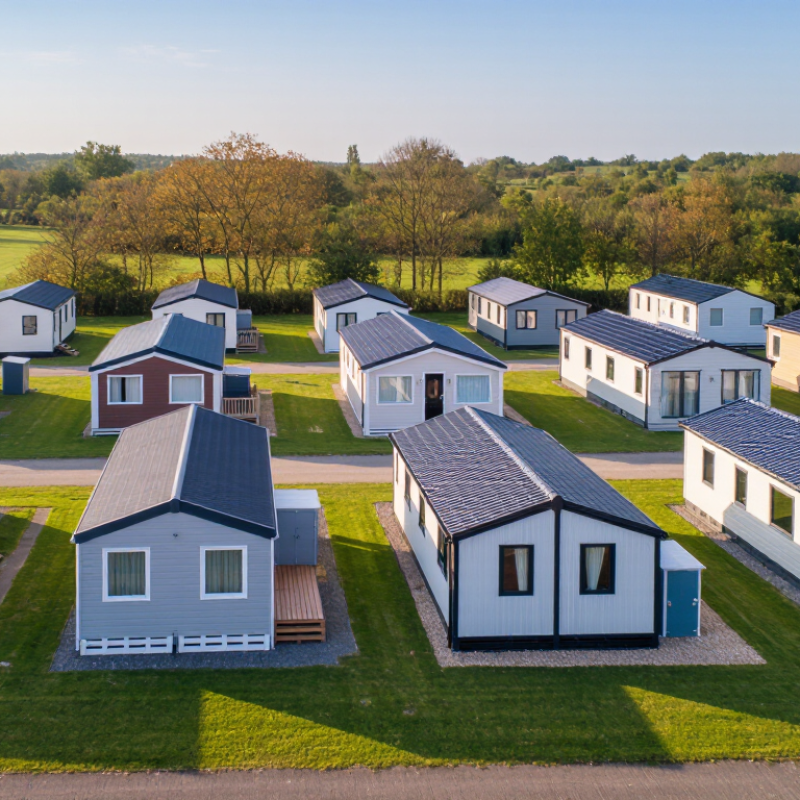
Park model homes are compact recreational units built around the ANSI A119.5 standard. Their interior space generally cannot exceed 400 square feet, excluding certain loft areas under applicable rules. This limit encourages efficient design, not simply smaller living. A well-planned model may include a full kitchen, bathroom, sleeping area, and generous windows. However, dimensions and permitted features can vary by jurisdiction. Buyers should verify local requirements before comparing worldwide listings.
From practical inspections, storage often determines daily comfort. A narrow walkway, folding table, and built-in shelves can make a small room feel usable. Poor ventilation can create condensation near windows, especially in humid climates. That detail is easy to miss in attractive photographs. ANSI A119.5 addresses construction and safety expectations, but it does not automatically approve every location or land-use plan. The unit may also function differently from a conventional permanent house. That distinction deserves more attention.
Tips: Measure furniture before visiting a model. Check ceiling height around lofts. Ask for the compliance documentation and inspection history. Confirm whether the site permits seasonal or year-round occupancy. Review insulation, plumbing protection, electrical capacity, and emergency exits. A compact home can feel surprisingly spacious, but only when its layout matches your routine. I would not trust a “400-square-foot” claim without checking how the measurement was calculated.

This worldwide ranking compares indicative prices, floor areas, locations, and practical features. Prices vary with land, transport, taxes, and installation. The comparison assumes a finished home, not the full site purchase.
Tips: Confirm the floor area measurement. Some sellers exclude decks and lofts. Ask for transport costs, foundations, utility connections, warranty terms, and local planning approval. Inspect moisture protection personally when possible. Photos can hide uneven ground or narrow access routes. This ranking is useful, but not flawless; local currency changes and seasonal offers can quickly alter the order.
Choosing among the top ten park model homes requires more than attractive photographs. RVIA certification is a useful checkpoint, not a complete quality guarantee. For eligible recreational vehicles, its inspection program checks construction against recognized safety requirements. Park models also commonly follow ANSI A119.5 requirements. Ask for the certification scope, inspection records, and final electrical documentation. Paperwork matters. Yet certification does not measure insulation depth, window performance, or winter comfort.
Construction quality appears in less glamorous details. Look for sealed roof penetrations, corrosion-resistant fasteners, protected plumbing, and serviceable junction boxes. Confirm floor loading and moisture-control methods before placing the home on a permanent site. Utilities deserve their own inspection. Verify electrical capacity, water pressure, sewer slope, propane arrangements, and emergency shutoffs with local officials. Requirements vary by jurisdiction. An RVIA seal cannot replace site approval or utility inspections.
Climate ratings should be location-specific. NOAA’s 1991–2020 Climate Normals provide thirty years of temperature and precipitation data for comparing sites. Use those records with the 2021 International Energy Conservation Code climate zones. The U.S. Energy Information Administration reports that space heating and cooling represented 52% of residential energy use in 2020. That figure makes insulation, glazing, and HVAC sizing financially important. Still, published ratings can oversimplify coastal humidity, mountain wind, or freeze-thaw cycles. I would budget for an independent inspection. Small omissions become expensive.
Comparing the top ten park model homes worldwide requires more than reading the advertised price. I use a spreadsheet covering land, transport, installation, permits, taxes, utilities, and annual ownership. A home priced at $85,000 may need another $20,000 for site preparation and foundations. Land can cost far more. Check zoning before paying a deposit. Local planning offices and licensed surveyors provide stronger evidence than online listings.
Transport depends on distance, road width, escorts, lifting equipment, and border procedures. I request written quotes from the seller, carrier, and crane operator. Installation may include leveling, utility connections, skirting, stairs, drainage, and weatherproofing. These details often sit outside the headline price. In one estimate, a narrow access road added $3,500 for specialized lifting. It was avoidable, but not impossible.
Annual ownership costs deserve equal attention. Budget for property tax, insurance, park fees, electricity, water, waste collection, repairs, and reserve savings. A practical reserve can cover roof seals, appliances, and corrosion after harsh winters. Tax rules vary by land ownership and home classification, so confirm them with a qualified local adviser. Currency changes can distort overseas comparisons. I would keep a 10–15 percent contingency, though even that may prove optimistic. Ask for invoices, not promises.
A park model home can look like a smart, compact retreat, but appearance is only the beginning. Before comparing the top ten listings worldwide, verify the zoning rules for the exact plot. A home may be approved for seasonal use, yet restricted as a permanent residence. Ask the planning office for written confirmation, not a casual phone promise. Check setbacks, foundation requirements, utility connections, transport limits, and flood or wildfire risks. Rules can change between neighboring districts.
Warranties deserve the same attention. Request coverage details for the frame, roof, windows, plumbing, appliances, and installation work. Read exclusions carefully. A short warranty may signal higher future costs. During inspection, test water pressure and open every window. Small defects matter. I would also hire an independent surveyor, because seller-provided reports can miss expensive problems.
Resale value depends on more than design. Review recent sales for similar homes, land tenure, park fees, insurance costs, and buyer demand. A low purchase price can hide costly relocation or site charges. Listing reliability is another concern. Confirm the seller’s identity, ownership documents, construction date, and current photographs. Ask for a live video tour showing today’s date. Be cautious when measurements, addresses, or fees remain vague. I have found that rushed decisions often begin with attractive listings that lack basic paperwork.