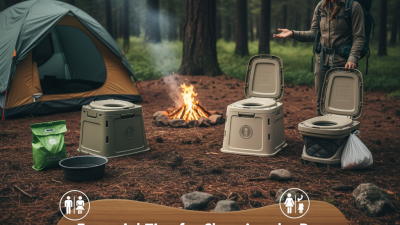


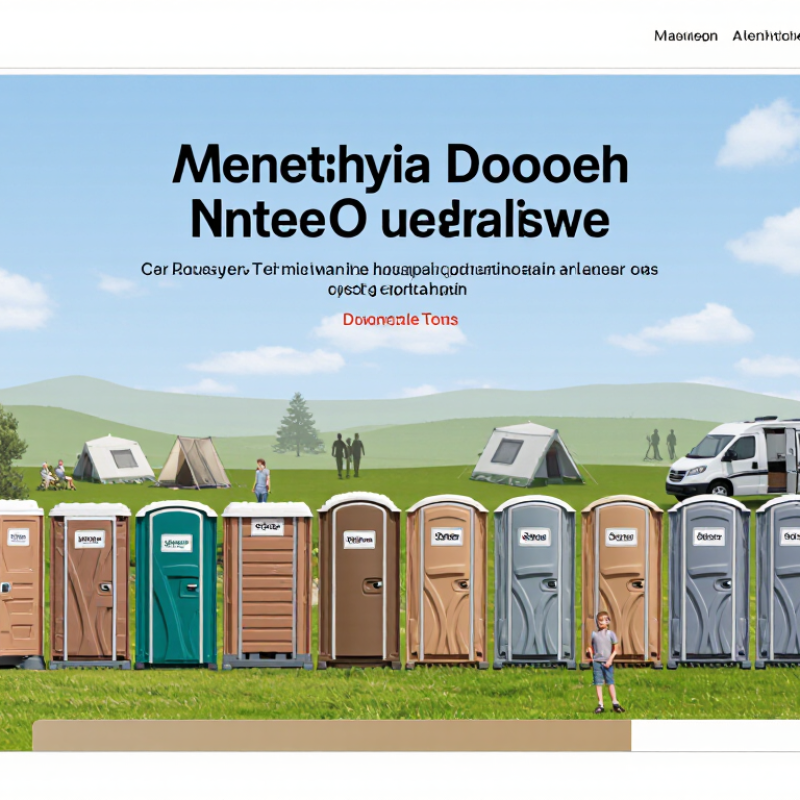
Choosing the right camping toilet starts with your trip, not its appearance. A compact folding toilet may suit a short weekend, while a cassette-style model offers better comfort for longer stays. Think about campsite access, vehicle space, and the number of users. A toilet that feels light in a store can feel awkward after a long hike.
Check the seat height, opening size, and base stability before buying. Adults usually need a seat close to household height for easier use. A wide, sealed container helps control odors and reduces spills. Look for simple parts that you can remove with gloves. Complex valves may seem advanced, but they can become troublesome outdoors.
Test the lid and locking system at home. It is less embarrassing there.
Consider cleaning, liner compatibility, and approved waste-disposal points near your destination. Keep absorbent material, biodegradable bags, disinfectant, and spare gloves in a separate container. Strong fragrances may hide odors briefly, but ventilation and careful sealing work better.
During one test, I placed a portable toilet on uneven ground and noticed slight rocking. I had ignored the surface. A firm mat or leveling board solved it, though it added weight.
Pack the toilet where it remains upright, away from food and sleeping gear. Check its capacity honestly, because manufacturer estimates may not match real use.
A comfortable, stable, easy-to-clean toilet is usually more valuable than the lightest option.