Top 10 Modular Home Designs You Should Consider Today?
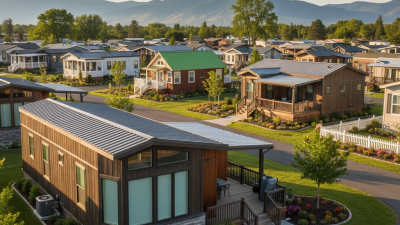
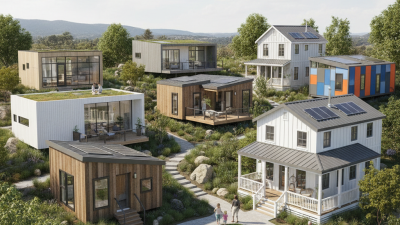
In today's housing market, Modular Home Designs are becoming increasingly popular. These homes offer unique benefits, including affordability and sustainability. Modular homes are built in sections, allowing for customization and flexibility in design.
Choosing the right design can be daunting. With so many options available, it's essential to focus on what suits your needs best. Certain designs provide more space, while others emphasize energy efficiency. The aesthetic appeal also varies, catering to different tastes.
However, not all modular home designs are perfect for everyone. Some might feel limited by the modular concept. Others may struggle with installation timelines. It's crucial to reflect on personal preferences and lifestyle requirements. Ultimately, the right design enhances the living experience while ensuring functionality.
Key Features of Modular Home Designs Worth Considering
Modular home designs are gaining attention for their efficiency and customization. One key feature to consider is sustainability. Many modular homes utilize eco-friendly materials and construction methods. They often have better energy efficiency compared to traditional homes. This can lead to lower utility bills and a smaller carbon footprint.
It’s essential to focus on space optimization. Modular homes make the most of limited square footage. Features like open floor plans and multi-functional spaces are common. This is particularly beneficial for small families or individuals. Whether a home office or a guest bedroom, versatility is key.
Tips: Think about long-term needs when choosing designs. Incorporate features that can adapt over time. Flexibility can enhance the home's functionality. Always review local building codes and permits. This ensures a smooth building process. Additionally, consulting with experts can provide insights into innovative designs and materials that fit your vision.
Top 10 Modular Home Designs You Should Consider Today
Popular Styles of Modular Homes: Exploring Aesthetic Choices
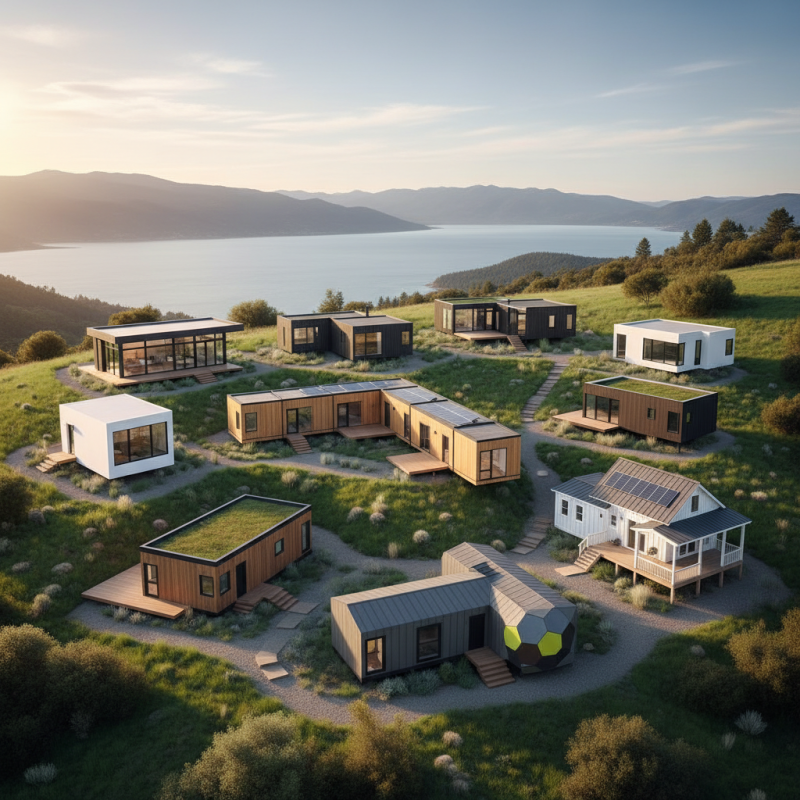
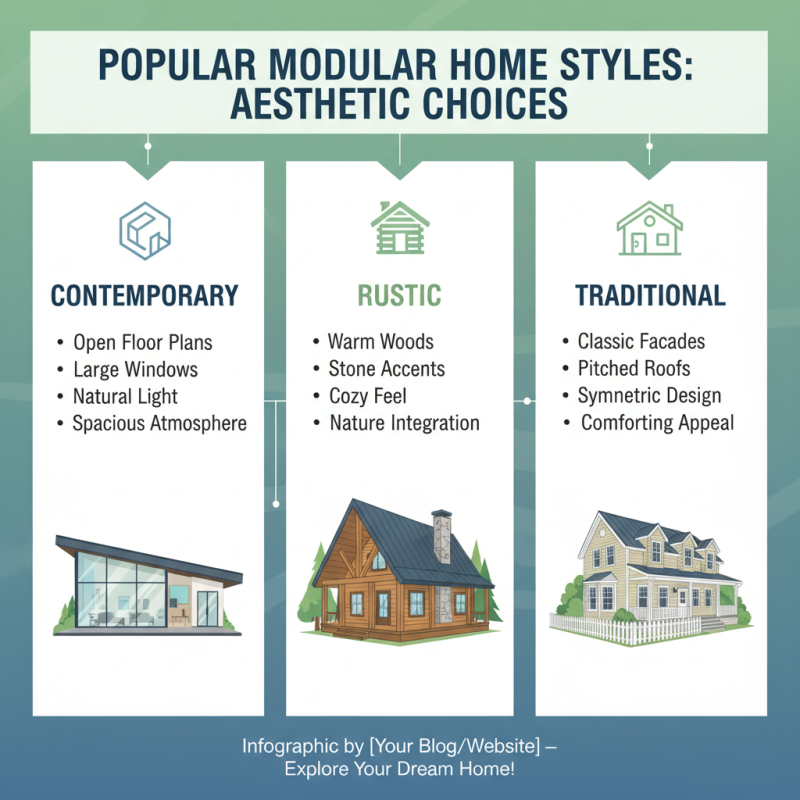
When considering modular homes, aesthetic choices play a significant role. Various styles can influence your living experience. From contemporary to rustic, each design brings unique features. Open floor plans are common in modern designs. They create a spacious atmosphere for family gatherings. Large windows let in natural light, enhancing the overall vibe.
Using earthy materials adds warmth to your space. Think reclaimed wood or stone accents. These elements blend well with nature. However, achieving the perfect balance can be challenging. Overdoing one style might create visual clutter. It's essential to curate your choices carefully.
**Tips:** Choose a color palette that reflects your personality. Neutral tones can create a calming effect. Also, consider multi-functional spaces. They offer flexibility without compromising style. Experimenting with different textures can add depth to your home. Think beyond convention, and embrace imperfections in your design. This adds character and warmth to modular living.
Customization Options: Tailoring Modular Homes to Your Needs
Modular homes have gained popularity due to their flexibility. Customization is a key feature that appeals to many homeowners. You can choose various floor plans, sizes, and layouts to fit your lifestyle. Some prefer open designs, while others may opt for more traditional styles. This choice allows residents to create spaces that truly reflect their personalities.
Colors and materials also play a crucial role. You can select from a wide palette of exterior and interior finishes. For instance, vinyl siding or wood panels create different aesthetics. Windows and doors are also customizable, impacting both function and style. However, with so many options, it can be overwhelming. Finding the right balance between personal taste and market trends is essential.
Moreover, energy efficiency is another area for customization. Many choose solar panels or energy-efficient appliances. While these choices are beneficial, they often come with higher upfront costs. It's critical to weigh the long-term savings against initial expenses. Personal preferences must align with practical considerations. Tailoring a modular home is not just a fun project; it’s a significant investment requiring careful thought.
Cost Considerations: Budgeting for Modular Home Construction
When budgeting for modular home construction, it is essential to account for various costs.
The price of land, site preparation, and utilities can significantly influence your budget.
Typically, modular homes can range from $100 to $200 per square foot.
Understanding these basic costs can help you set realistic financial expectations.
Tips for managing costs include finding an affordable plot of land.
Inquire about zoning regulations before purchasing. Avoiding properties with complex terrains can save you money on site preparation.
Furthermore, focus on essential features to avoid overspending on luxury finishes.
Consider potential hidden costs as well.
These may include permits, inspections, and transportation fees. Engage with a reliable contractor early in the process.
They can provide insights into the expenses you might not anticipate.
Prioritize obtaining multiple quotes to ensure you get a fair market price.
This practice will help you make better decisions and avoid budget overruns.
Sustainability and Energy Efficiency in Modular Homes
As more buyers seek sustainable living solutions, modular homes are gaining popularity.
These homes are built off-site using advanced methods, resulting in reduced waste and lower carbon footprints.
According to the U.S. Department of Energy, modular homes can save up to 30% more energy than traditional homes.
This energy efficiency translates to lower utility bills, showcasing the financial benefits of sustainable design.
The construction process of modular homes minimizes environmental impact.
They often incorporate energy-efficient materials and systems. For example, many designs include solar panels and high-performance insulation.
A report by the National Association of Home Builders highlights that energy-efficient homes can generate up to 50% less carbon dioxide over their lifespan.
This is crucial in our fight against climate change, as the building sector accounts for a significant portion of global emissions.
However, the modular home industry is not without its challenges. Some modular designs may still rely on conventional materials,
which could compromise their sustainability claims. Additionally, the perception of modular homes as less customizable persists,
leading to hesitance from potential buyers. As the industry evolves, addressing these concerns is essential for encouraging broader adoption of sustainable practices in homebuilding.
Each choice matters in this transition towards a greener future.