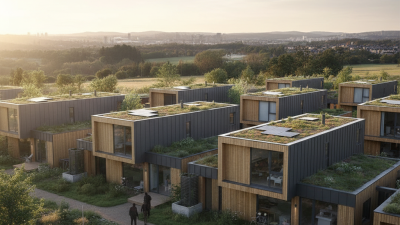
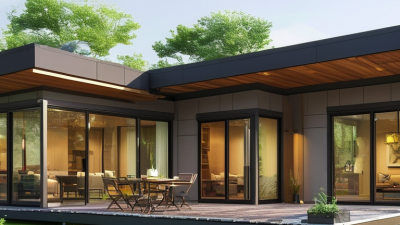
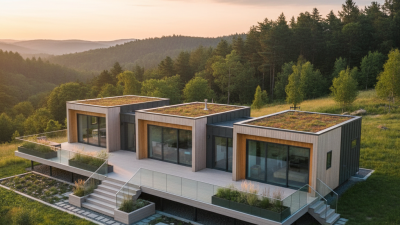
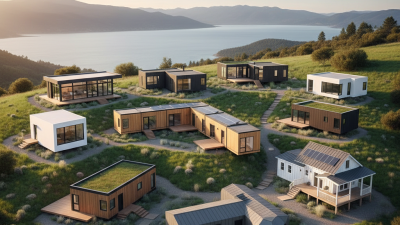
Why Choose Modular Home Designs for Your Next Project?
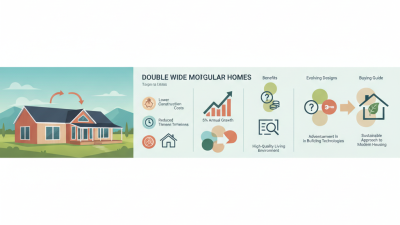
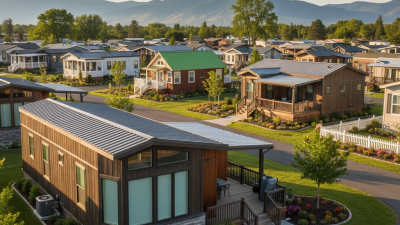
When considering home construction, many overlook the benefits of Modular Home Designs. These designs offer unique advantages that traditional methods may lack. They provide flexibility, speed, and cost-efficiency, making them a compelling choice for modern homeowners.
Imagine a project completed in a fraction of the time usually required. With Modular Home Designs, builders construct sections off-site, reducing on-site labor and minimizing delays. This efficiency can save both time and money, crucial factors for any construction project. Yet, it's essential to recognize that not all modular homes are created equal. Quality can vary widely among manufacturers.
Opting for Modular Home Designs can lead to a highly personalized living space. Customization options abound, allowing homeowners to create a design that reflects their unique style and needs. However, it’s vital to research and choose a reputable builder. Ensuring expertise in modular construction can make a significant difference in the final outcome. With thorough planning and informed decisions, Modular Home Designs could be the right path for your next project.
Benefits of Modular Home Designs Over Traditional Construction
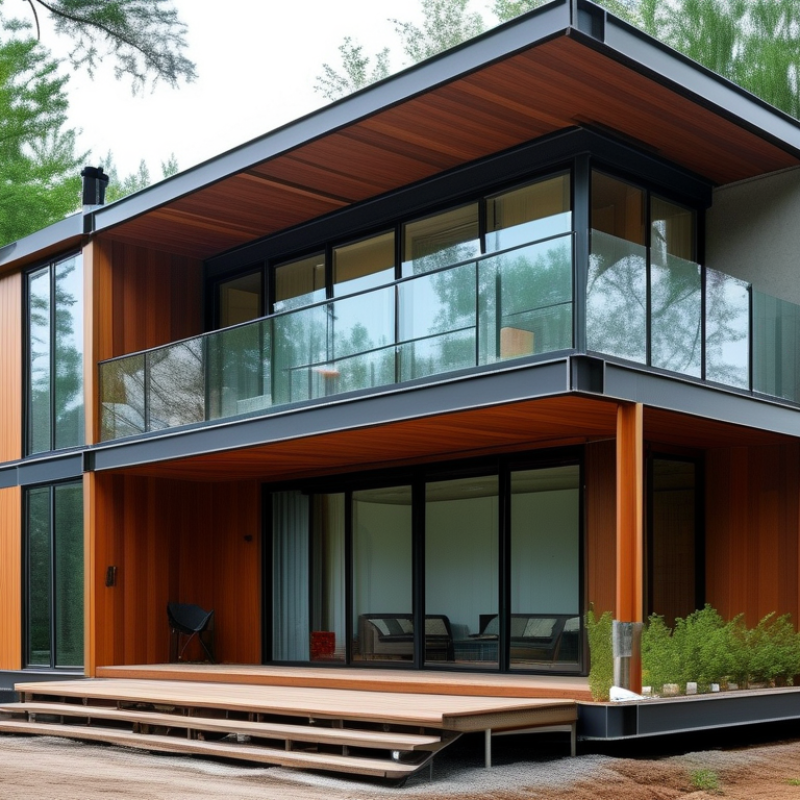
Modular home designs offer distinct advantages compared to traditional construction. One key benefit is the speed of construction. Homes can be built in factories and assembled on-site, reducing the timeline significantly. While traditional builds can take months, modular homes often complete in weeks. This rapid pace can be vital for families needing immediate housing.
Another aspect is cost efficiency. Modular homes generally come with lower labor and material costs. This can translate to substantial savings for homeowners. Energy efficiency also plays a crucial role. Many modular designs are built with modern insulation and energy systems. This leads to lower utility bills and a reduced carbon footprint.
However, there are challenges to consider. The initial design options might feel limited for some. Yet, many manufacturers now offer customizable features. This flexibility allows buyers to maintain personal style while benefiting from efficiency. Ultimately, weighing these pros and cons can help in making an informed decision about modular versus traditional homes.
Flexibility and Customization Options in Modular Home Designs
Modular home designs offer remarkable flexibility and customization options that appeal to many homeowners. According to a report by the National Association of Home Builders, 78% of homeowners prioritize customization in their building projects. Modular homes allow clients to choose layouts, materials, and finishes that reflect their personal style. They can easily modify the design, tweaking features like room size and additional amenities.
This adaptability caters to diverse needs. Families can create open-plan living areas or separate, cozy spaces. Single-level homes or multi-story options are both viable. The construction process is often quicker than traditional homes, reducing time on-site and minimizing disruptions. A report from the Modular Building Institute indicates that modular construction can reduce build time by 30%, an appealing factor for many.
Challenges can arise with customization, especially in balancing personal taste with resale value. It's important to consider trends in the market. Overly specific designs may limit appeal in the future. Attention to sustainable practices is also crucial. Many modular designs now incorporate energy-efficient features, appealing to eco-conscious buyers. Still, balancing aesthetics and functionality can require careful thought and planning.
Cost-Effectiveness and Time Efficiency in Modular Home Projects
Modular home designs present a unique opportunity for cost-effectiveness and time efficiency in construction projects. According to a report by the Modular Building Institute, modular homes can reduce construction costs by up to 20-30%. These pre-fabricated structures are built in controlled environments, which minimizes waste and optimizes resource allocation. Traditional construction often leads to unexpected expenses due to weather delays or labor shortages, but modular homes usually see fewer interruptions.
The time efficiency of modular home projects is equally impressive. They can be constructed in as little as six to eight weeks, compared to months for traditional homes. A study by the National Association of Home Builders noted that modular projects can be completed in 50% less time. This rapid turnaround is not just a matter of speed; it allows for quicker occupancy. However, some argue that the design limitations can hinder customization. Buyers may feel their options are restricted compared to conventional homes, necessitating a careful balance between speed and personal preferences. The pursuit of efficiency must also consider the potential trade-offs in aesthetics and personalization.
Cost-Effectiveness and Time Efficiency in Modular Home Projects
Sustainability and Energy Efficiency in Modular Home Construction
Modular home designs are becoming increasingly popular, especially for their sustainability and energy efficiency. Unlike traditional construction, modular homes are built in factory settings. This controlled environment reduces waste dramatically. Traditional building often leads to excess materials ending up in landfills, while modular construction optimizes resource use. With precise measurements and designed templates, the process is streamlined, which often results in less environmental impact.
Energy efficiency is a key benefit of modular homes. Many designs incorporate advanced insulation and energy-efficient appliances. This means lower utility bills for homeowners. Features like energy-efficient windows also enhance comfort, reducing heat loss in winter and keeping homes cool in summer. However, these elements may require a higher initial investment. Homeowners should weigh this against long-term savings.
Despite their advantages, modular homes can face societal misconceptions. Some people question their durability compared to traditional homes. Yet, studies have shown modular constructions can meet or exceed building regulations. These homes should not be dismissed based solely on appearance. Many modern designs have a sleek, appealing aesthetic. Educating potential buyers on the benefits ensures better-informed choices in energy-efficient living.
Trends and Innovations in Modular Home Design for Modern Living
Modular home designs are gaining traction for modern living due to their innovation and adaptability. A report from the Modular Building Institute states that modular construction can be completed 30% faster than traditional methods. This speed is crucial as demand for affordable housing increases. Trends show a rise in sustainable materials, with more than 70% of modular builders using eco-friendly options. These materials not only reduce waste but also enhance energy efficiency, aligning with contemporary environmental standards.
The integration of smart home technology is another significant trend. Many modular homes now include features like automated lighting and energy management systems. These innovations cater to the tech-savvy homeowner, offering convenience and savings. However, while the benefits are clear, some homeowners report challenges in navigating the installation of these advanced systems. It's essential to conduct thorough research prior to integrating technology into your home.
Tips: Focus on flexibility in design. Modular homes allow you to customize layouts to suit your lifestyle. Explore various configurations to find what truly fits your needs. Consider the long-term implications of your choices. While modular homes are often seen as cost-effective, some designs may carry hidden costs. Prioritize a design that balances both aesthetics and practicality for lasting satisfaction.
Why Choose Modular Home Designs for Your Next Project?
| Feature |
Description |
Benefits |
| Sustainability |
Utilizes eco-friendly materials and energy-efficient designs. |
Reduces environmental impact and lowers energy bills. |
| Customization |
Wide range of designs and layouts tailored to individual needs. |
Enables homeowners to create a space that reflects their style. |
| Speed of Construction |
Parts are built off-site and assembled quickly on location. |
Significantly reduces overall building time. |
| Cost-Effectiveness |
Lower material waste and reduced labor costs. |
Makes home ownership more affordable. |
| Innovative Technology |
Incorporation of smart home features and efficient systems. |
Enhances modern living experiences and convenience. |