How to Choose the Best Modular Home Designs for Your Needs?
Choosing the right Modular Home Designs can significantly impact your living experience. In recent years, modular homes have gained popularity due to their efficiency and customization options. According to the Modular Home Builders Association, the modular home market has grown by 30% over the last five years, showcasing a shift towards more sustainable and affordable housing solutions.
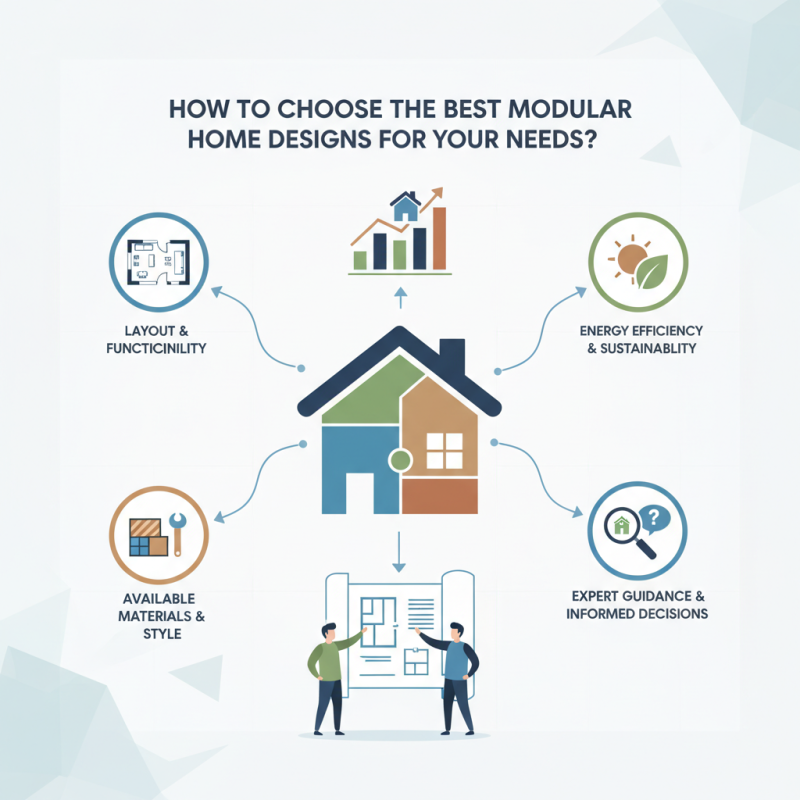
Expert in modular construction, Sarah Thompson, states, "The right design can transform a house into a true home." Her insight emphasizes the importance of personalization in modular design. Home buyers often overlook specific needs in favor of trendy aesthetics. Prioritizing functionality alongside style is crucial. It's vital to consider factors such as layout, energy efficiency, and available materials.
Modular Home Designs offer great flexibility but can also lead to overwhelming choices. It is essential to explore various design options, seeking expert guidance. Making informed decisions can ease the reflection process, ensuring your home meets your unique lifestyle needs. Balancing style with practicality allows for a space that not only looks appealing but feels comforting as well.
Understanding Modular Home Designs and Their Benefits
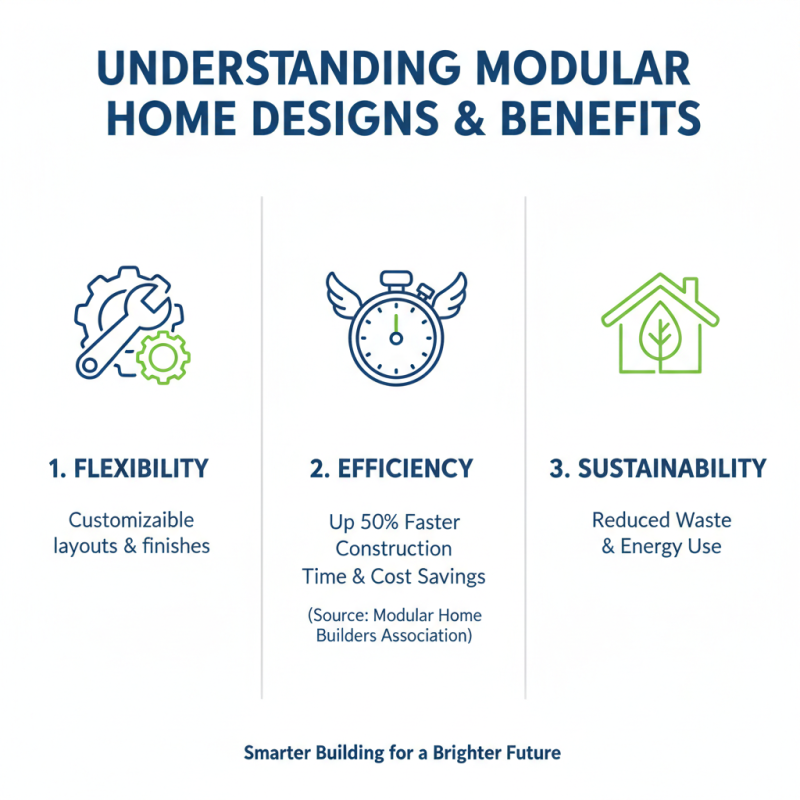
Understanding modular home designs is crucial for potential homeowners. These designs offer flexibility, efficiency, and sustainability. According to the Modular Home Builders Association, modular homes can be built up to 50% faster than traditional homes. This speed can save homeowners substantial time and money.
Modular homes also provide exceptional energy efficiency. A study by the U.S. Department of Energy shows that modular homes often consume 5-10% less energy than site-built houses. This can lead to lower utility bills and a reduced carbon footprint. However, understanding your specific needs is key.
Tip: Assess your lifestyle requirements before choosing a design. Consider how many bedrooms you need and whether you want open spaces. Think about future needs; your family might grow.
Customization is another benefit of modular homes. You can choose layouts and features that reflect your style. However, be aware of the available land and zoning regulations in your area, as these can limit your options. Tip: Research local building codes to ensure compliance and avoid costly mistakes.
Assessing Your Space Requirements and Lifestyle Needs
When selecting modular home designs, understanding your space requirements is crucial. Research indicates that 78% of homeowners prioritize layout flexibility when choosing a home. Consider your family size. A smaller family might thrive in a compact layout, while larger families may require additional bedrooms. Analyze your current lifestyle: do you work from home? If so, a dedicated office space may be necessary.
Next, reflect on your daily activities. If you often entertain guests, an open-concept living area can enhance interaction. Data from industry reports show that homes with seamless indoor-outdoor transitions improve social dynamics. Think about outdoor spaces as well. For instance, a porch or deck can significantly enhance both functionality and enjoyment.
Always revisit your choices. Modular homes offer a range of designs, but not all will serve your needs long-term. Unforeseen changes, like a newfound hobby or another child, may impact how your home feels over time. Evaluate your evolving needs and preferences regularly to ensure your space remains comfortable. By keeping your lifestyle at the forefront of your decision-making, you can create a home that supports you and your family effectively.
Evaluating Different Modular Home Styles and Aesthetics
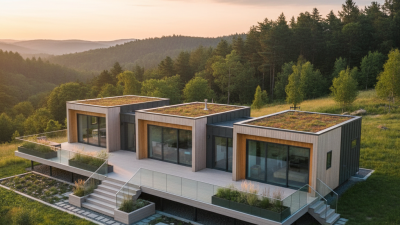
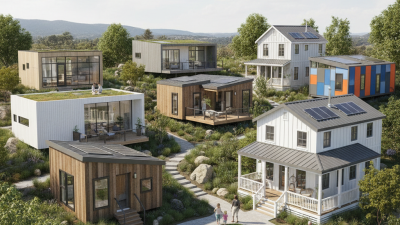
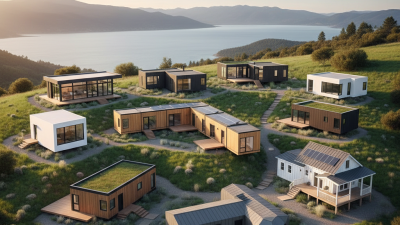
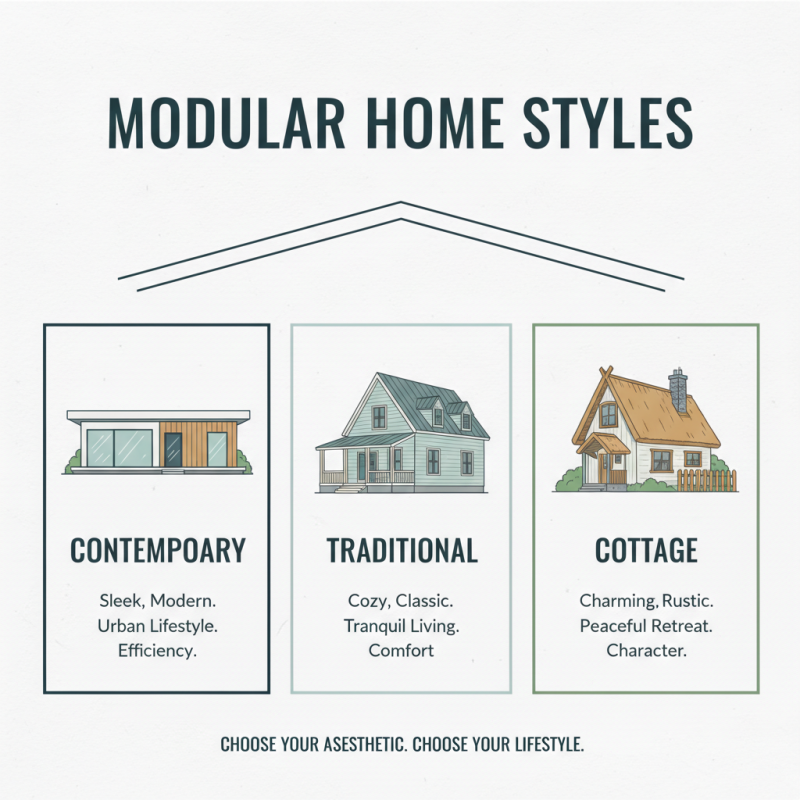
When evaluating different modular home styles and aesthetics, consider the architectural design that resonates with you. Modular homes come in various designs, from contemporary to traditional. Think about how each style complements your lifestyle. A sleek, modern home may suit a busy urbanite, while a cozy cottage style may appeal to someone seeking tranquility.
Tips: Take the time to visit model homes. This experience allows you to see the layout and features in person. Pay attention to the details. Colors, materials, and textures can greatly influence the feel of your space.
Also, reflect on the long-term impact of your choice. Some styles may become outdated quickly. Others might stand the test of time. Research current trends, but don’t forget to prioritize what makes you feel at home.
Finally, explore different finishes and interior layouts. Open plans are popular, while others may prefer defined spaces. Your home should reflect your needs and preferences. Don't rush the decision-making process. A thoughtful approach leads to a more satisfying end result.
Budgeting for Your Modular Home and Additional Costs
Budgeting for your modular home should be a priority.
Modular homes can offer savings, but hidden costs can arise. Reports indicate
that approximately 15-20% of your total budget may go to additional expenses
like land preparation and permits.
You must factor these into your overall expense plan.
Consider your financing options carefully. Many buyers overlook long-term costs such as
taxes and insurance.
A report by the National Modular Housing Council suggests that about 30%
of buyers underestimate these recurring costs. This can lead to budgeting shortfalls down the line.
In addition to construction expenses, think about utility connections and
landscaping. These are often forgotten but critical to a livable space.
Without proper planning, homeowners can find themselves with unexpected expenses.
Each detail matters in the budget.
Reflect on what you truly need versus what is luxurious. Adapting to reality can lead to a more sustainable building experience.
Researching Manufacturers and Reviewing Customer Feedback
When researching modular home designs, examining manufacturers is crucial. Start by identifying reputable companies in the industry. Look for those with years of experience and positive customer reviews.
Reliable manufacturers often provide transparency about their building processes and materials used. This can significantly impact your decision.
Feedback from previous customers can offer valuable insights. Reviews may highlight not just praises but also issues faced during the home-building process.
Pay attention to recurring themes in feedback. If multiple clients mention delays in construction, this could be a red flag. Conversely, positive notes on customer service can indicate a trustworthy manufacturer.
Tip: Create a checklist of what you prioritize in a home. This includes size, layout, and energy efficiency. A clear list can guide your research and ensure you don’t overlook important features.
Additionally, consider visiting completed homes. Walking through a model can provide firsthand experience, aiding your decision.
Look carefully at details in finishes and layouts, as these can reveal much about a manufacturer’s commitment to quality.